

1/1


Jasmine Tea
(0 Reviews)
0 Sold
$0.00


1/1


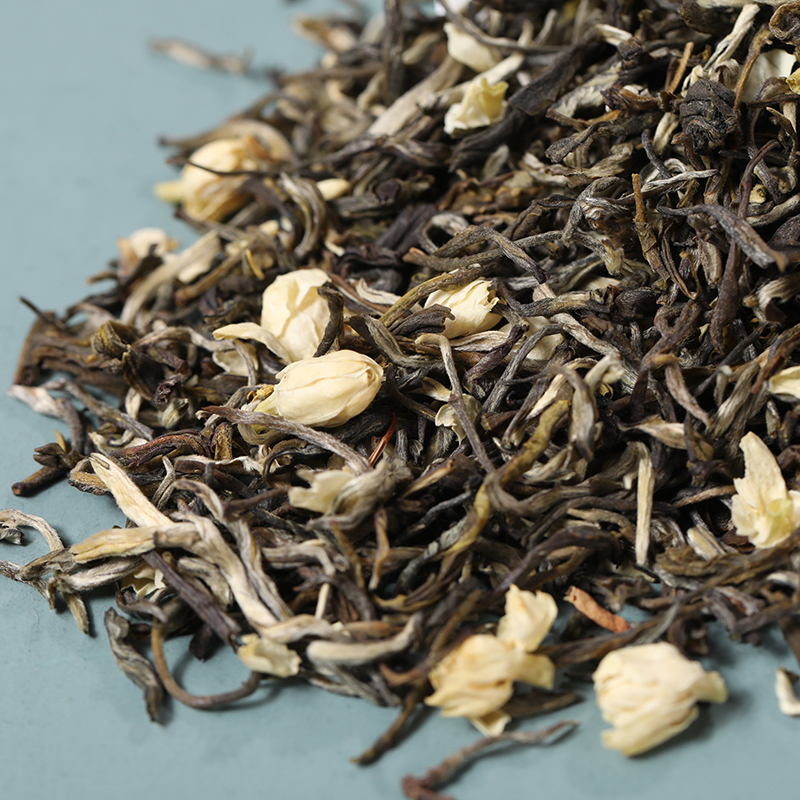
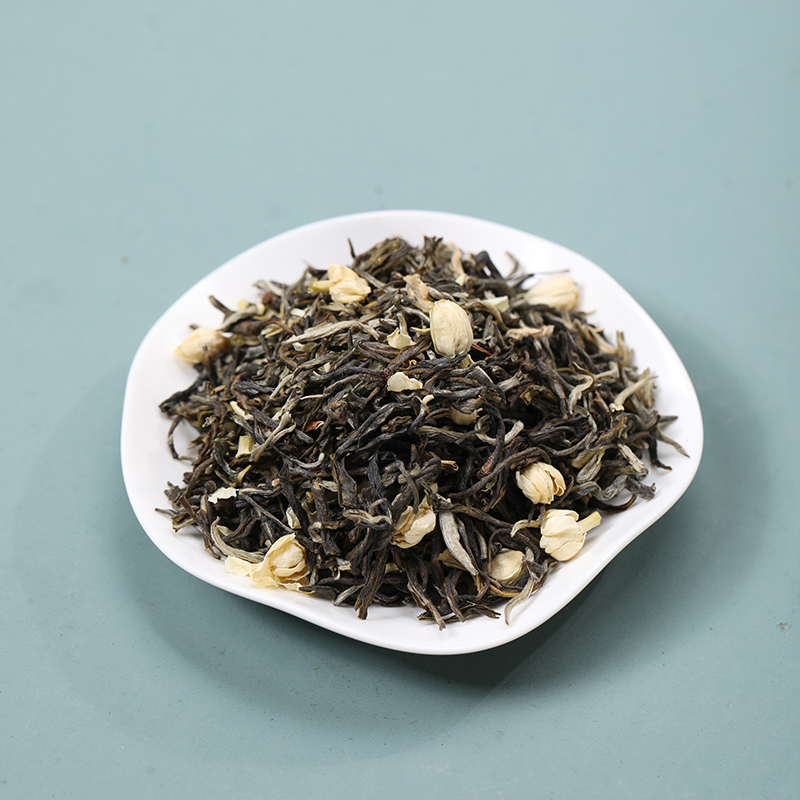
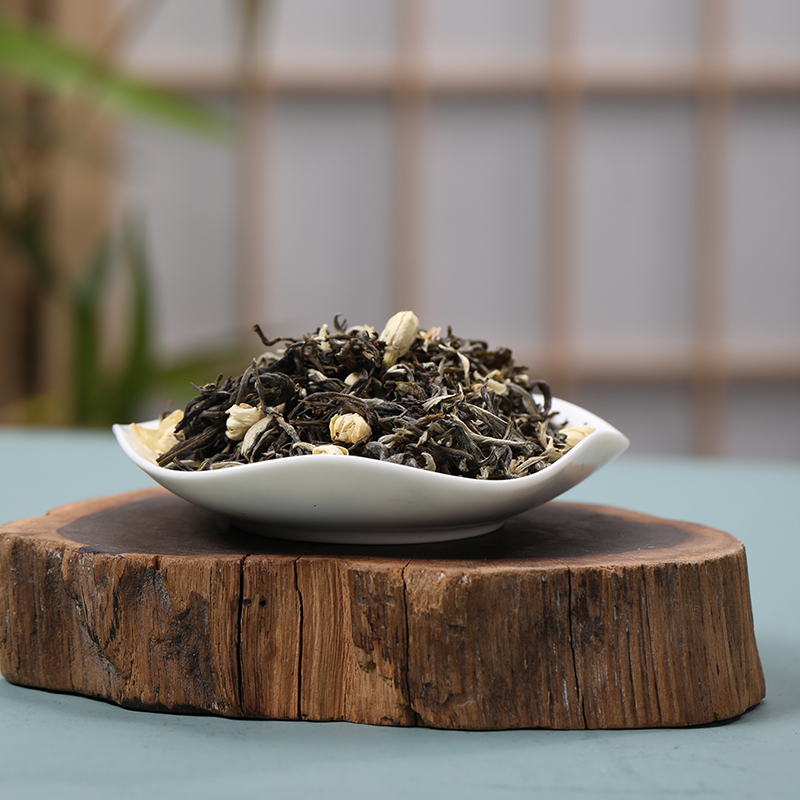
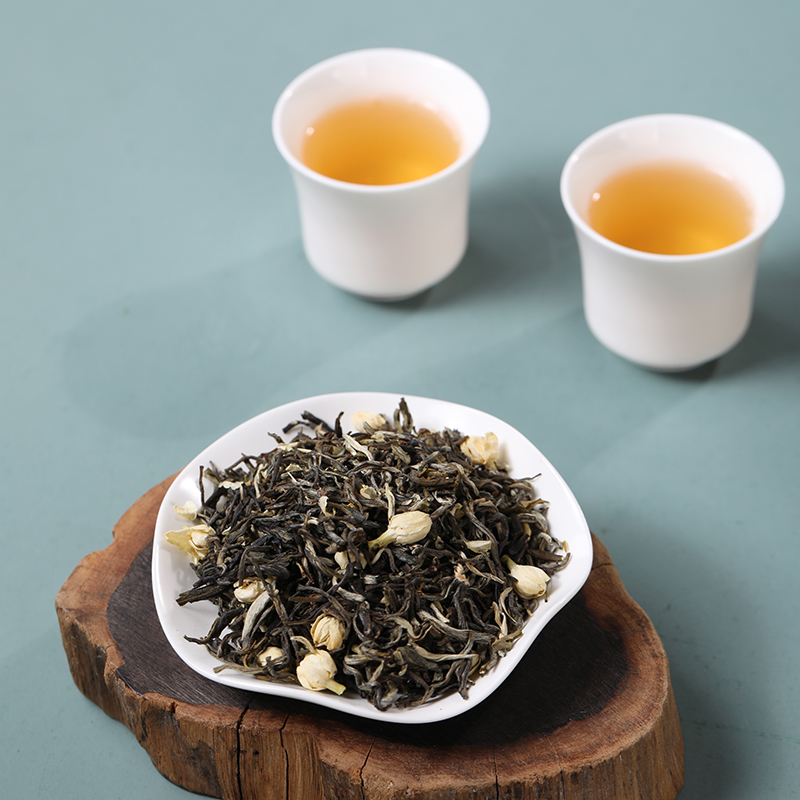
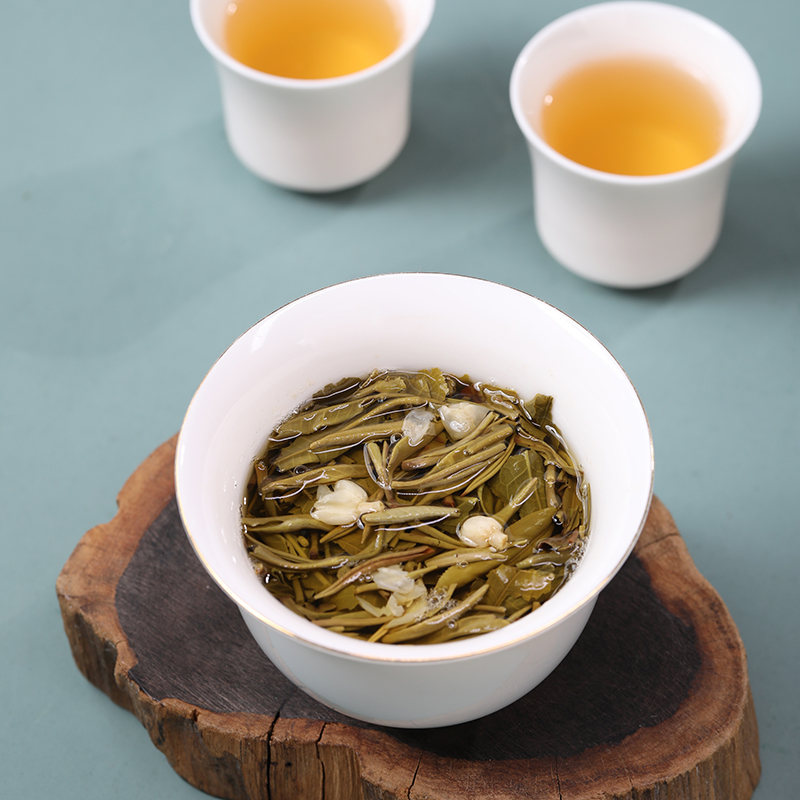
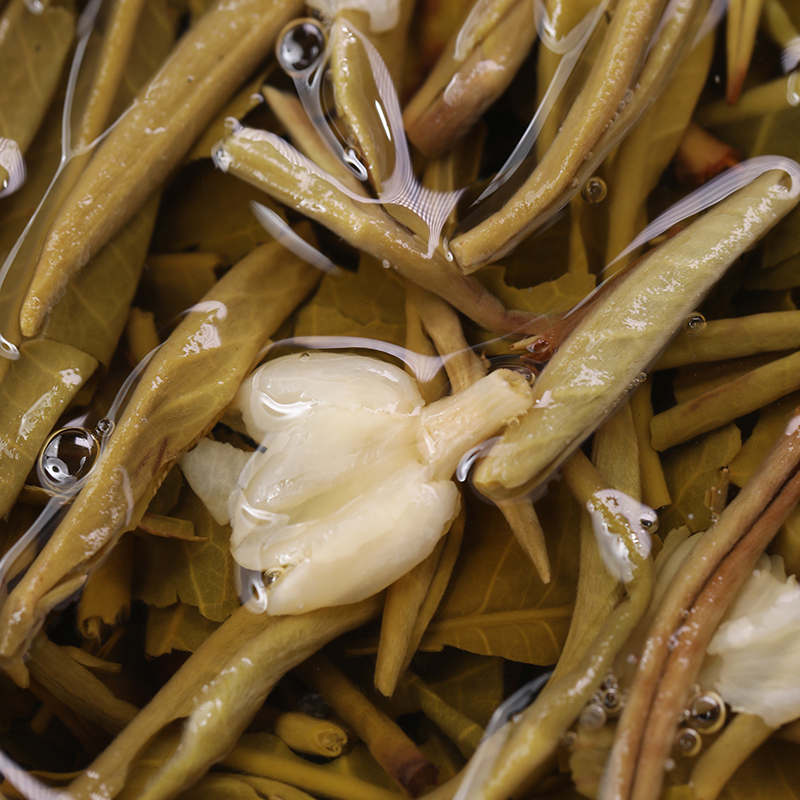
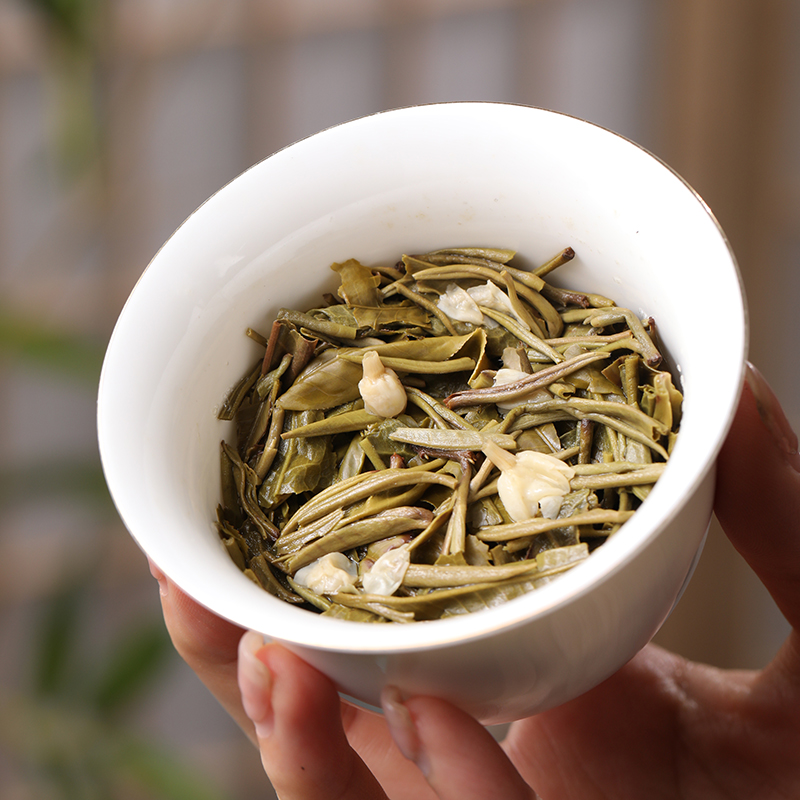
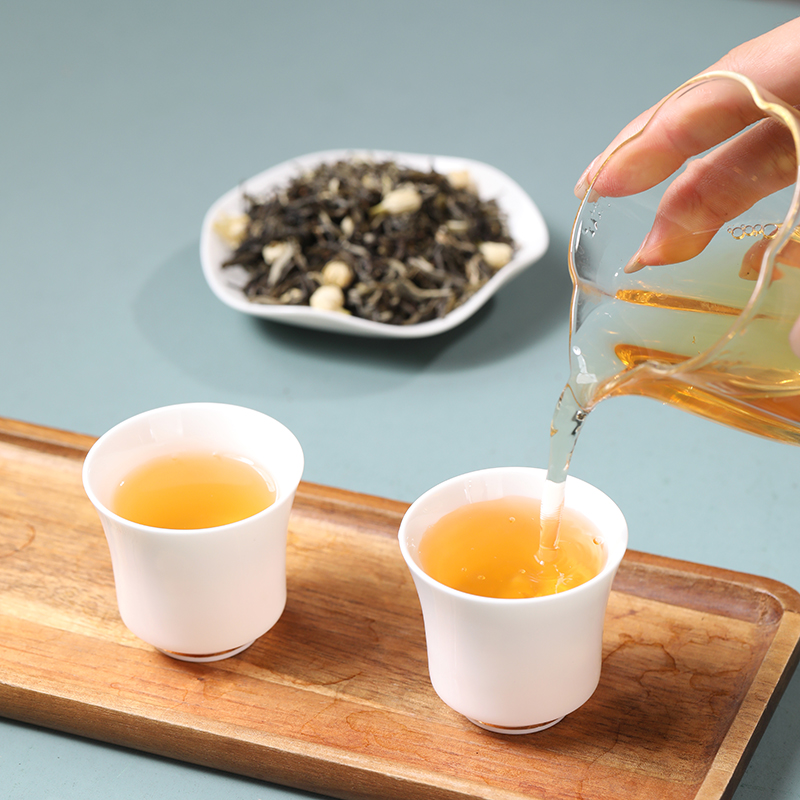
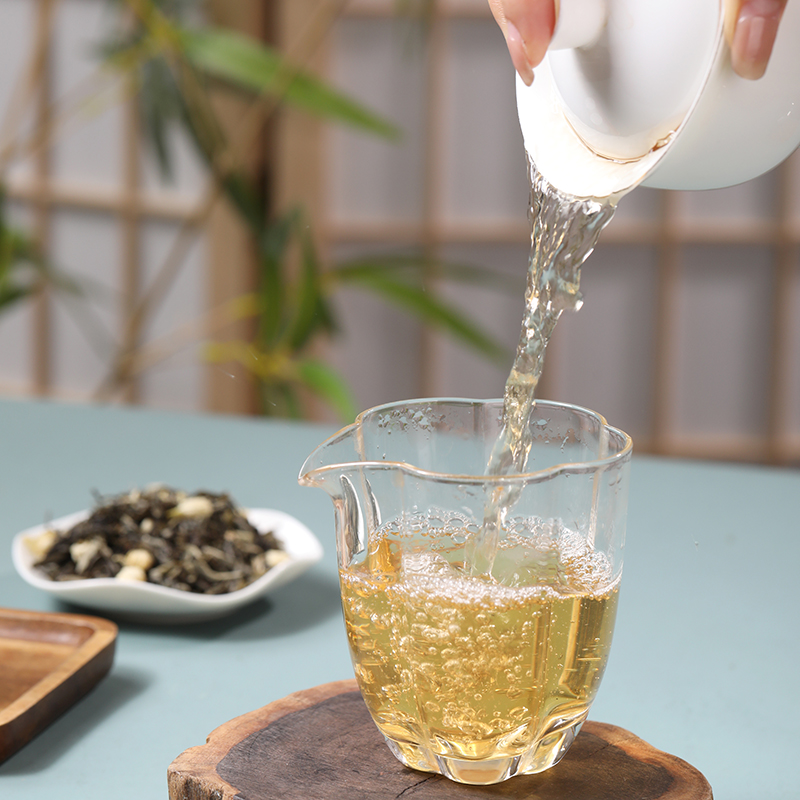
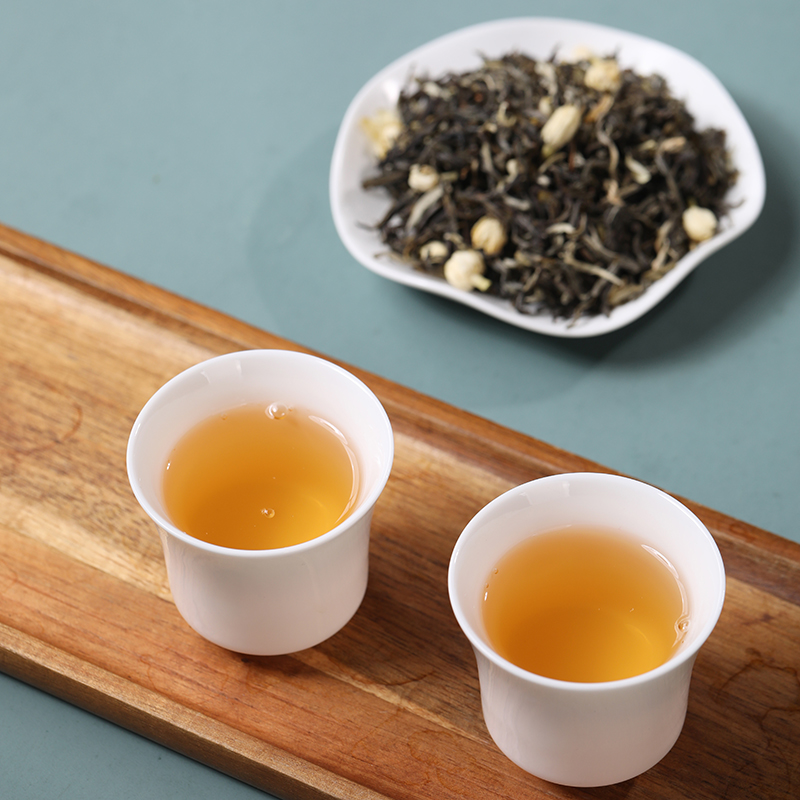
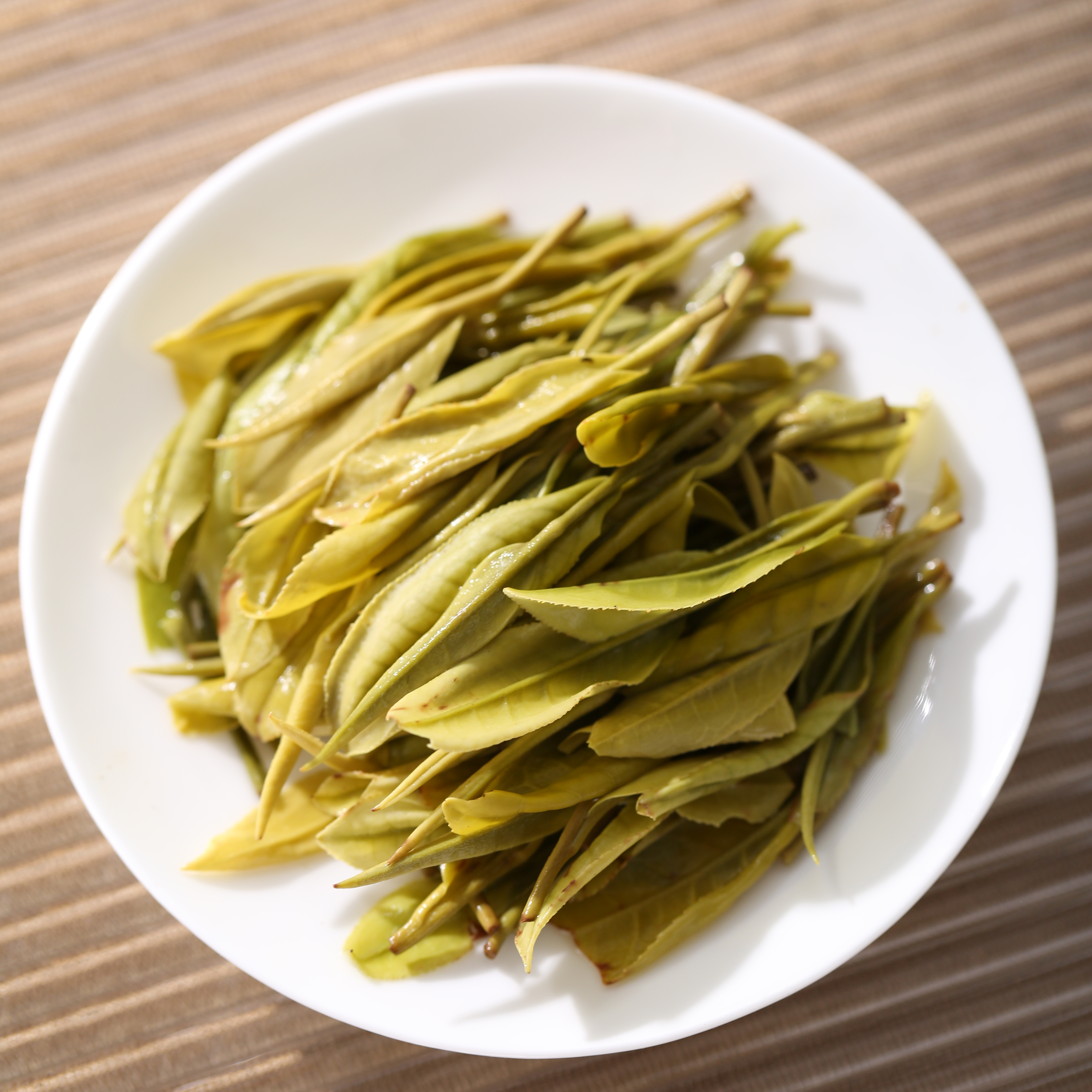
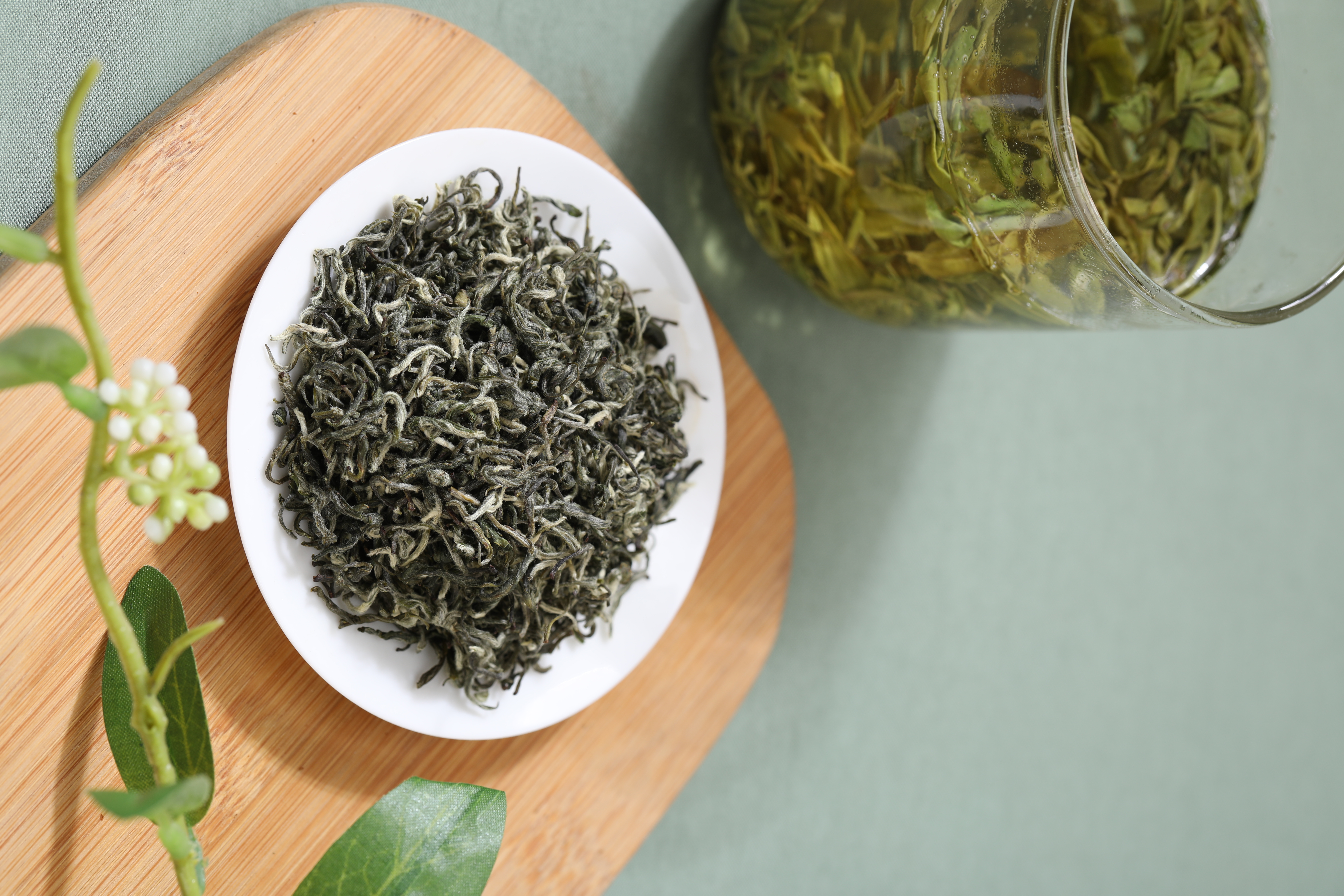
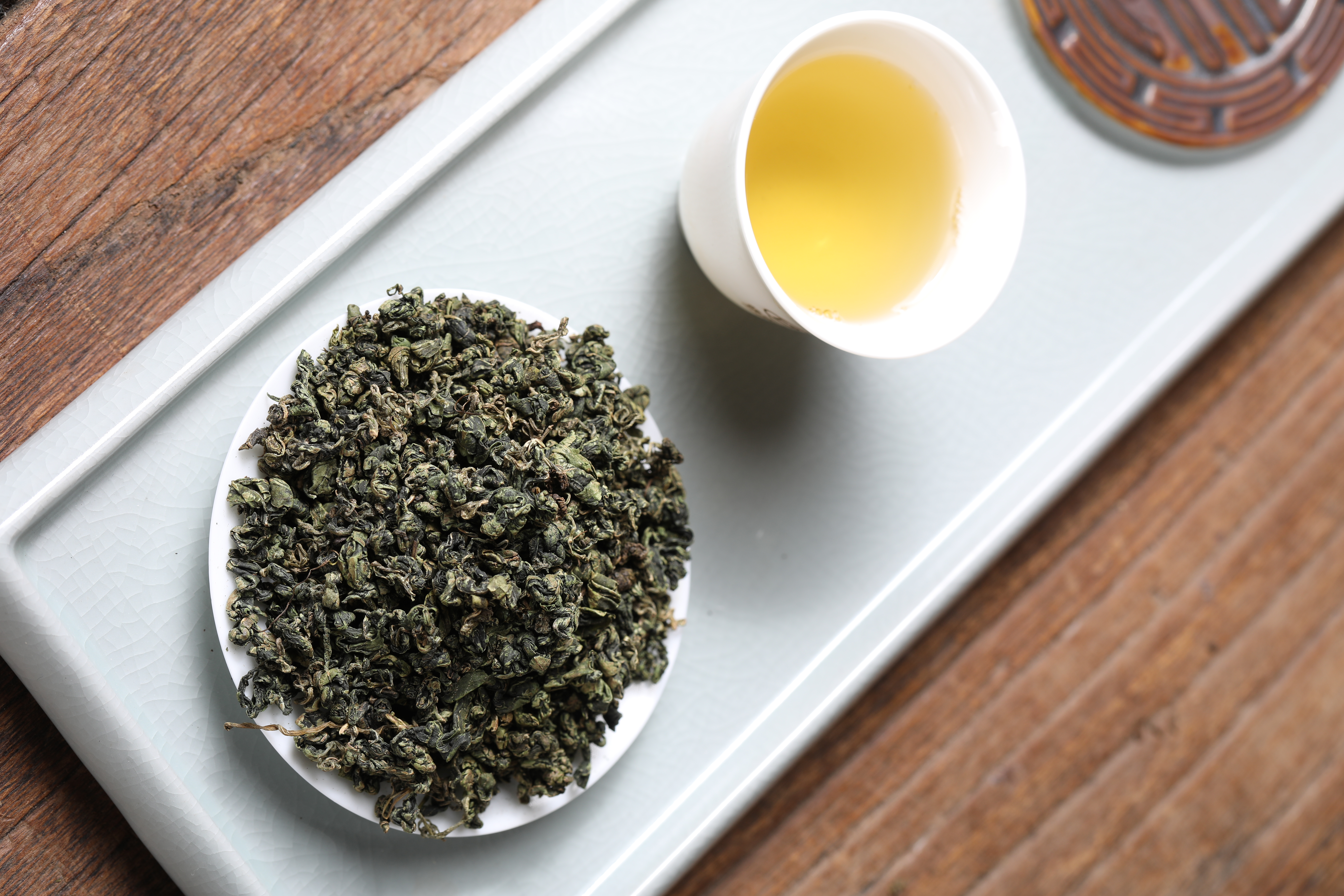
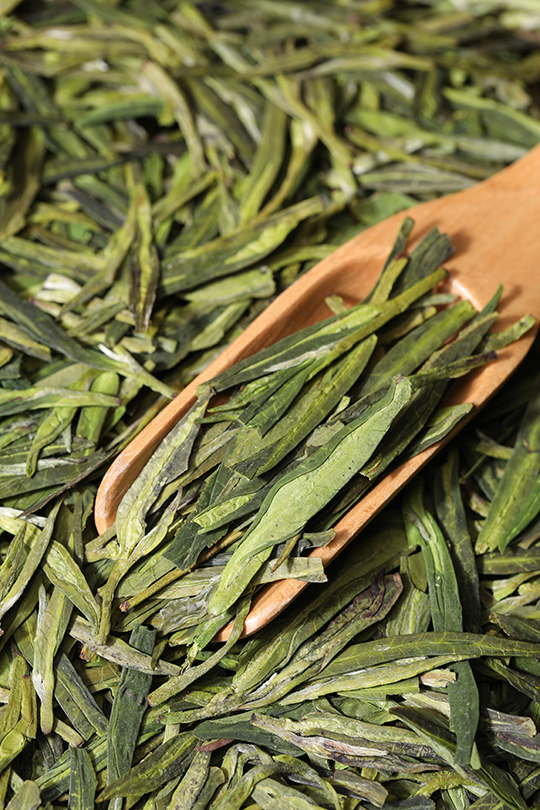
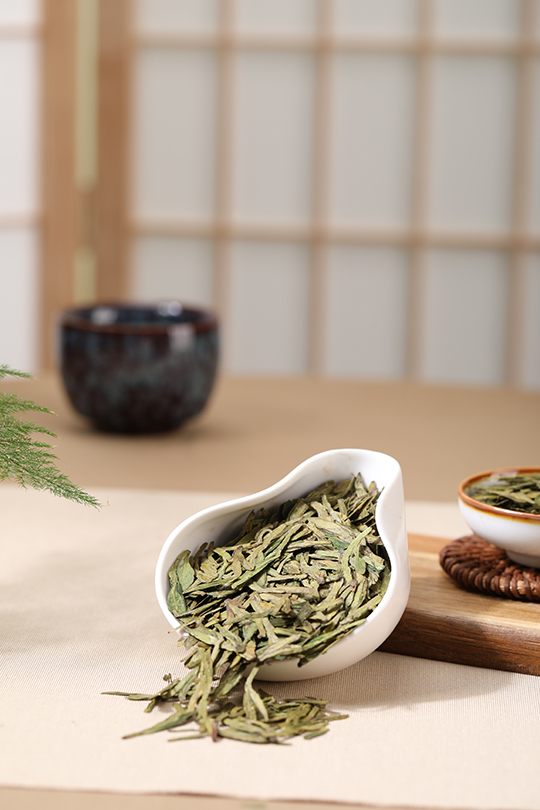
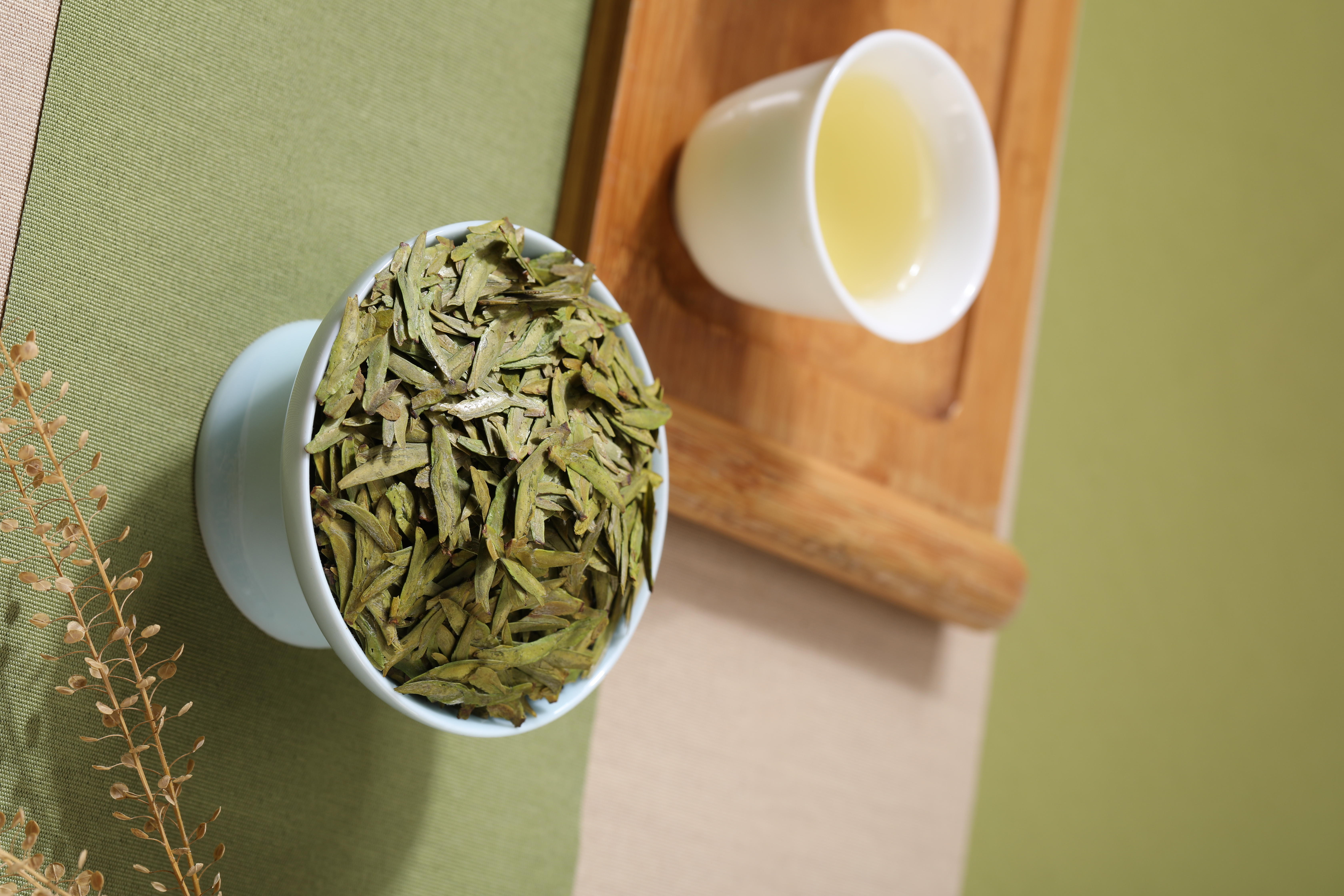
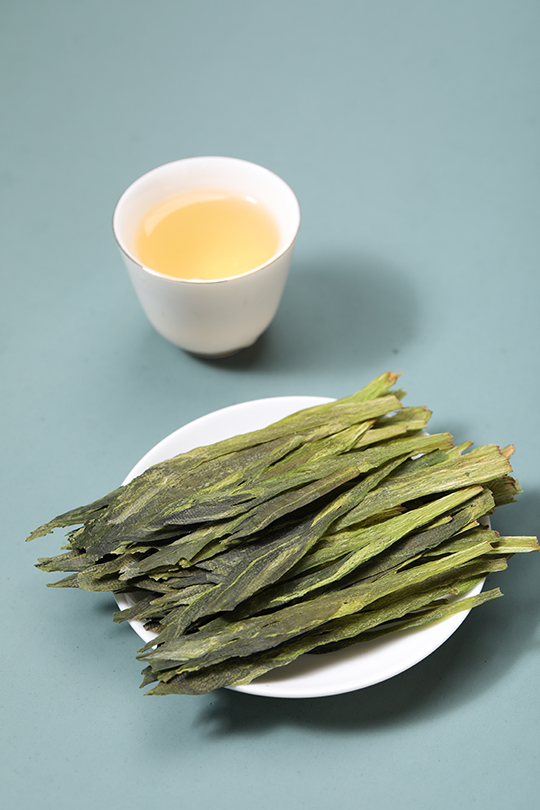
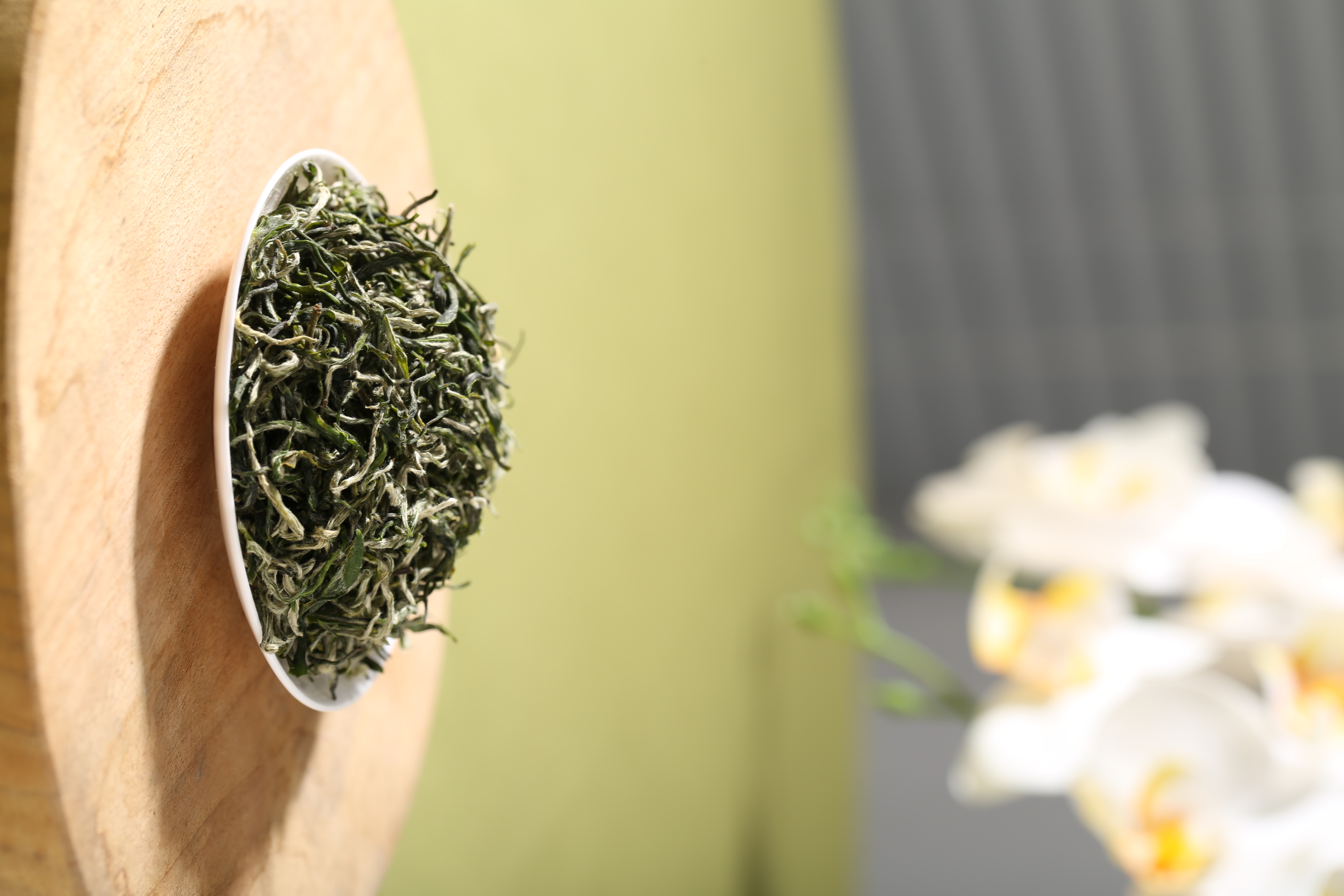
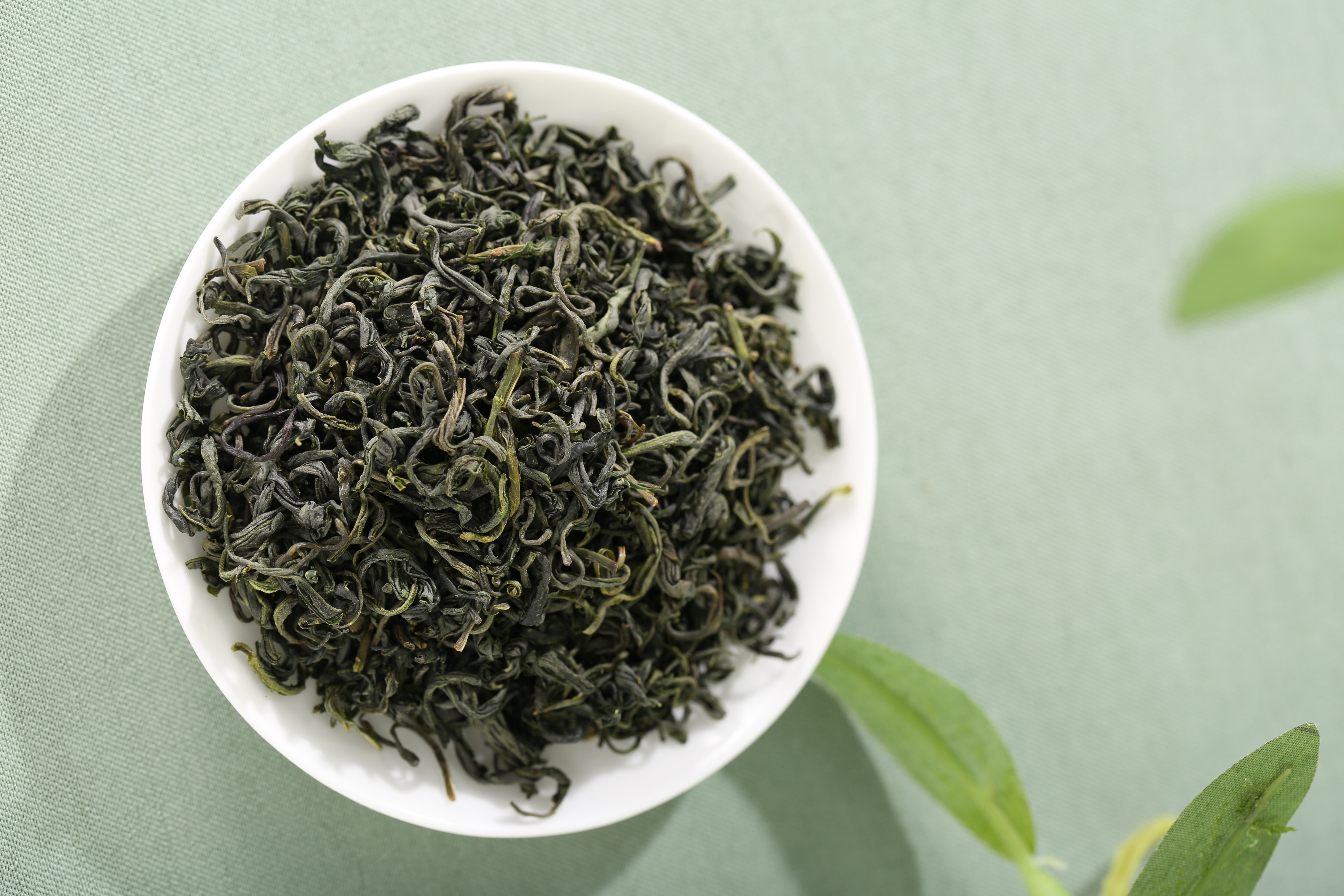
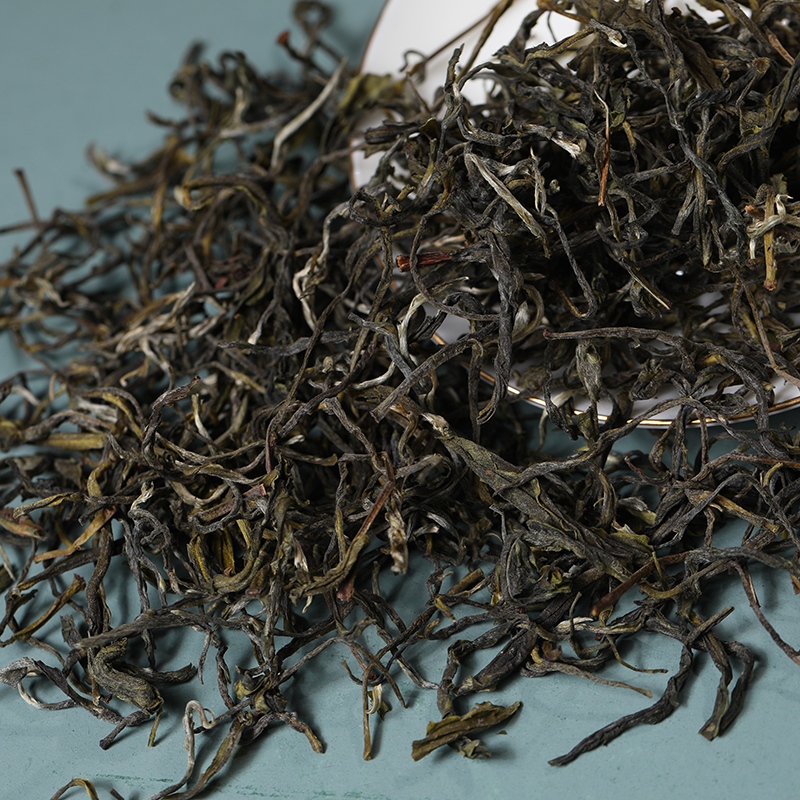
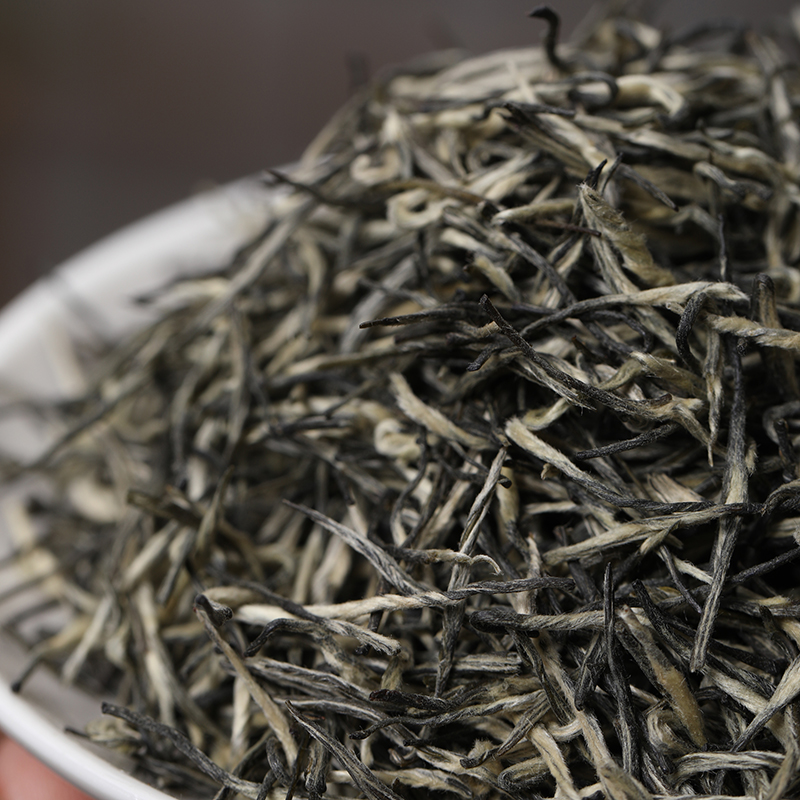
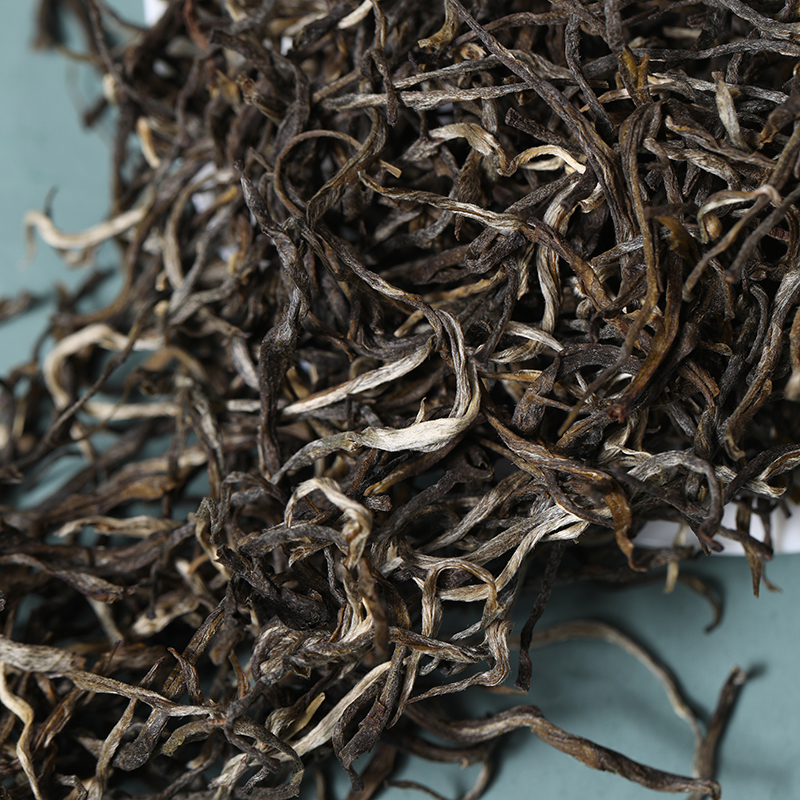
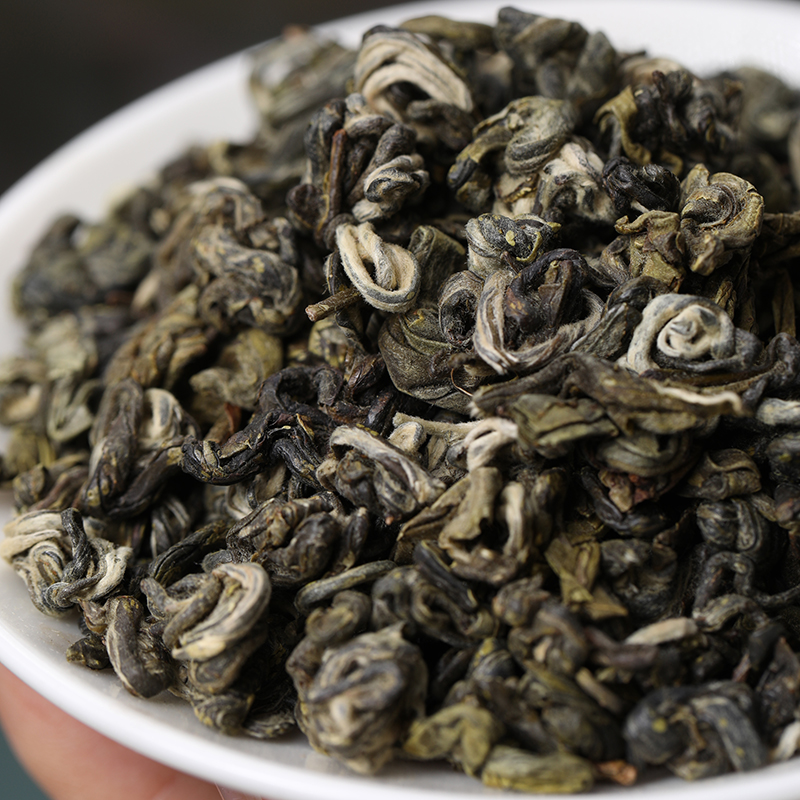
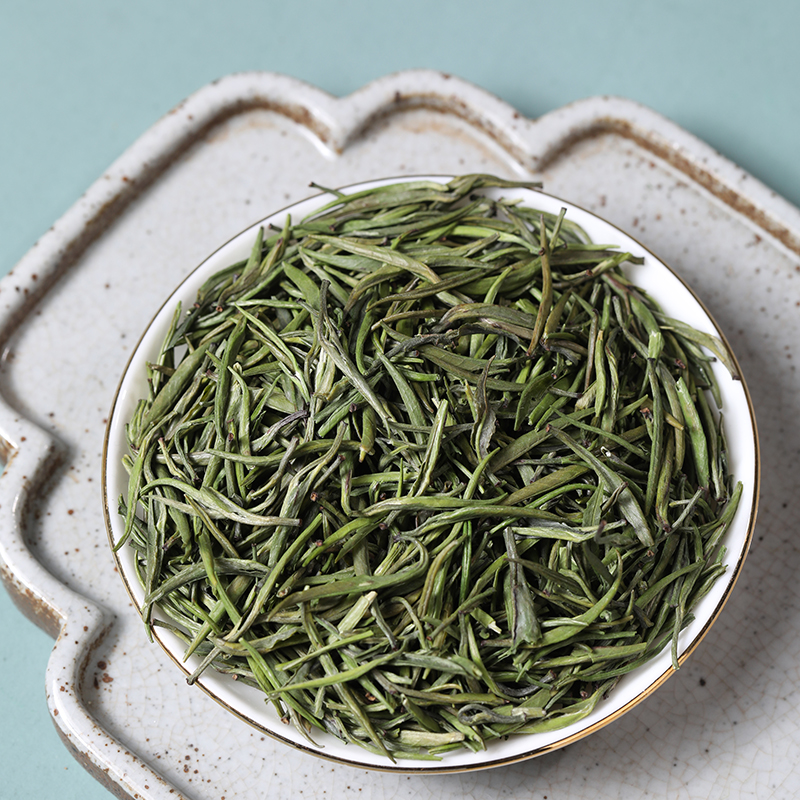
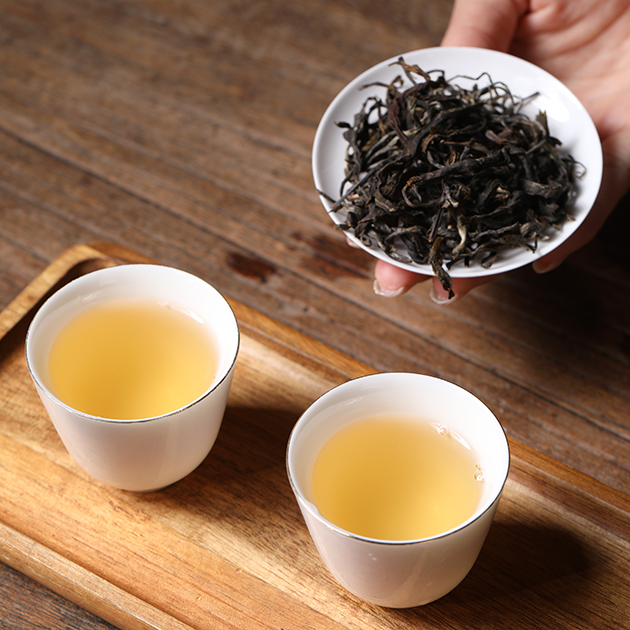
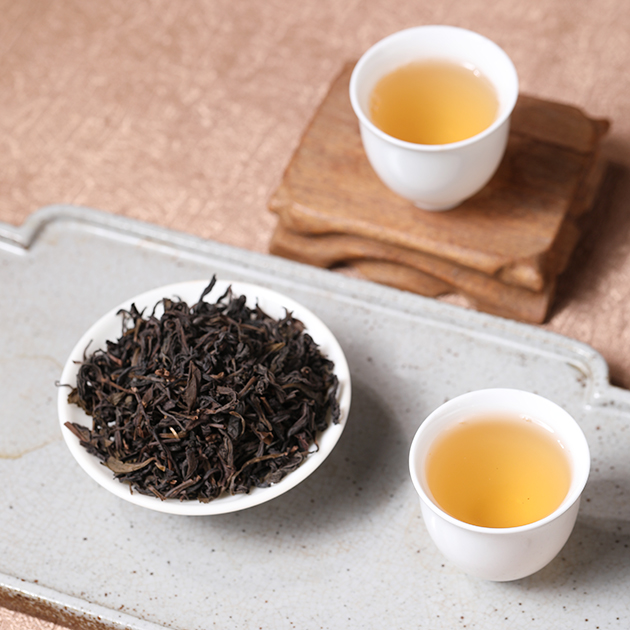
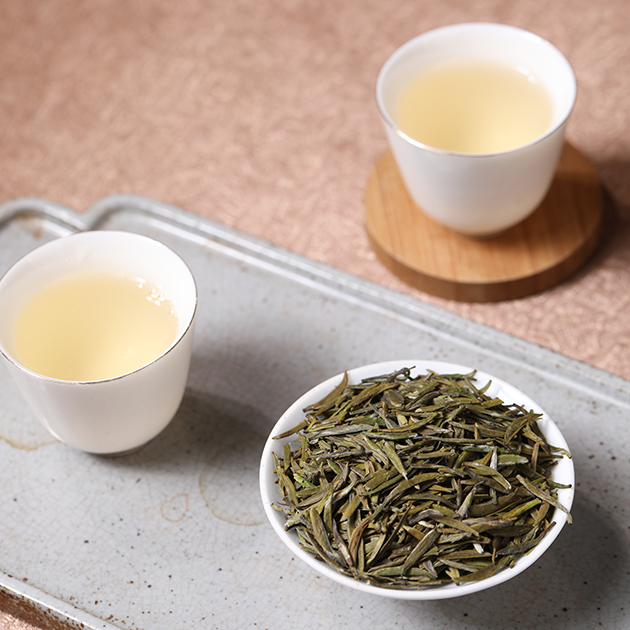
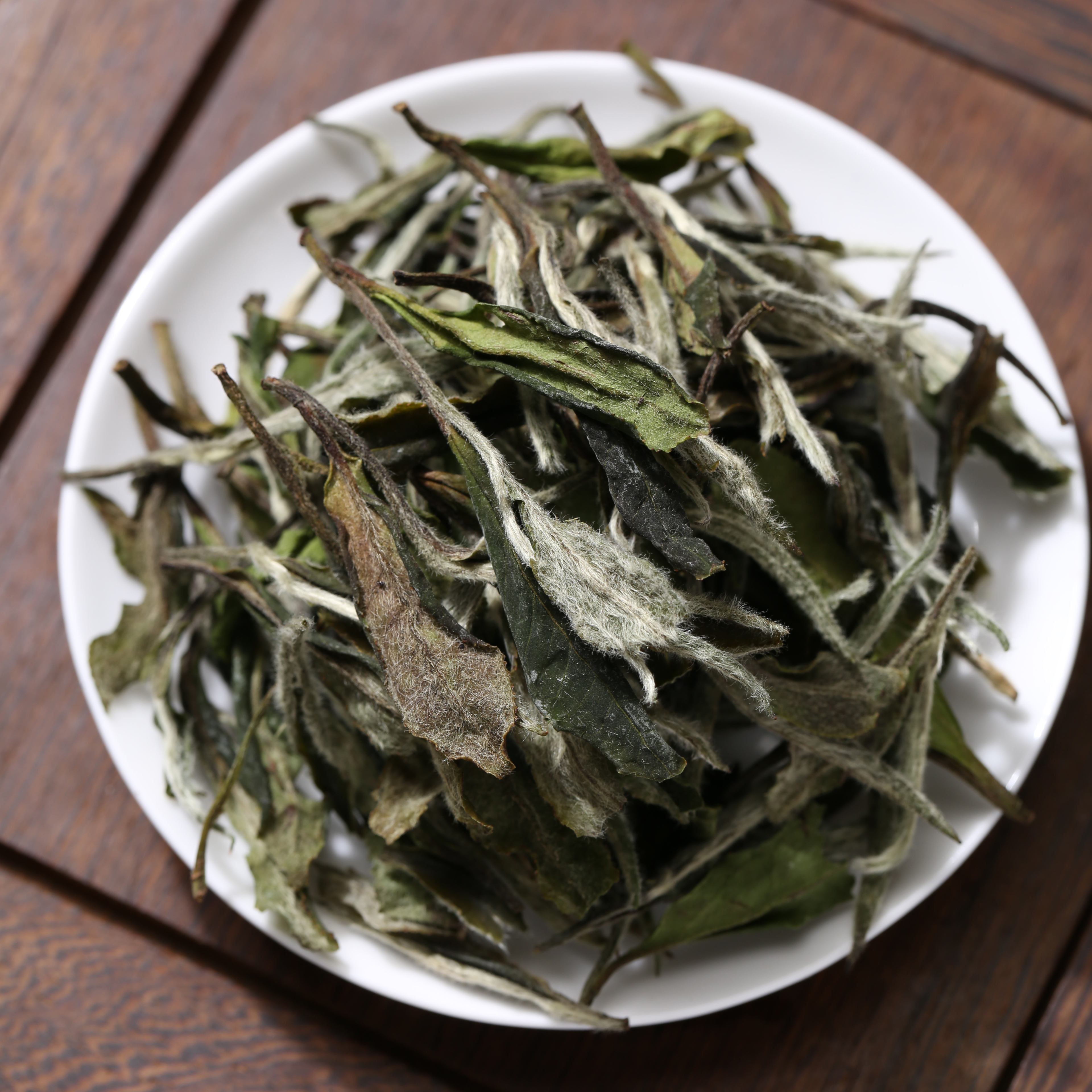
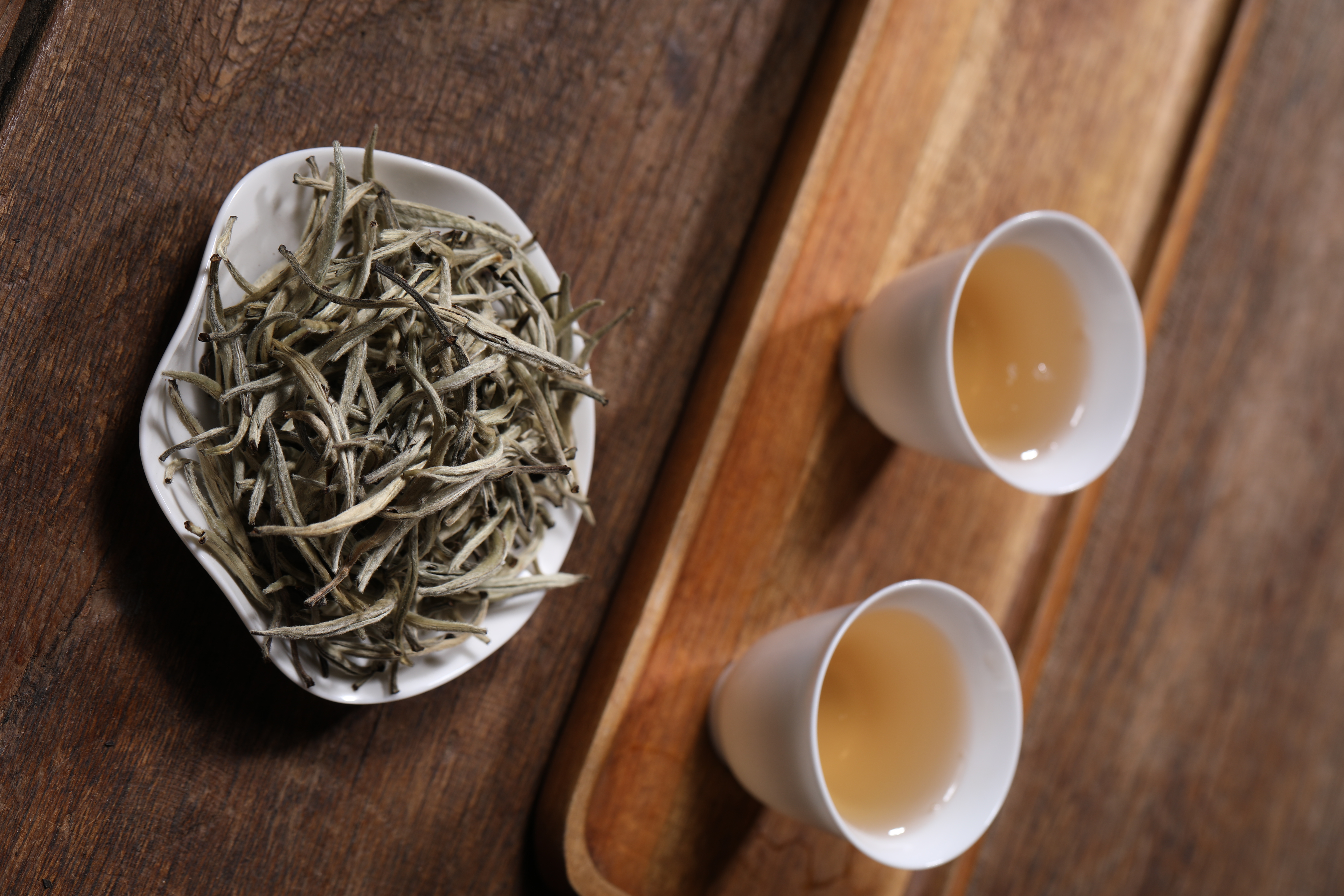
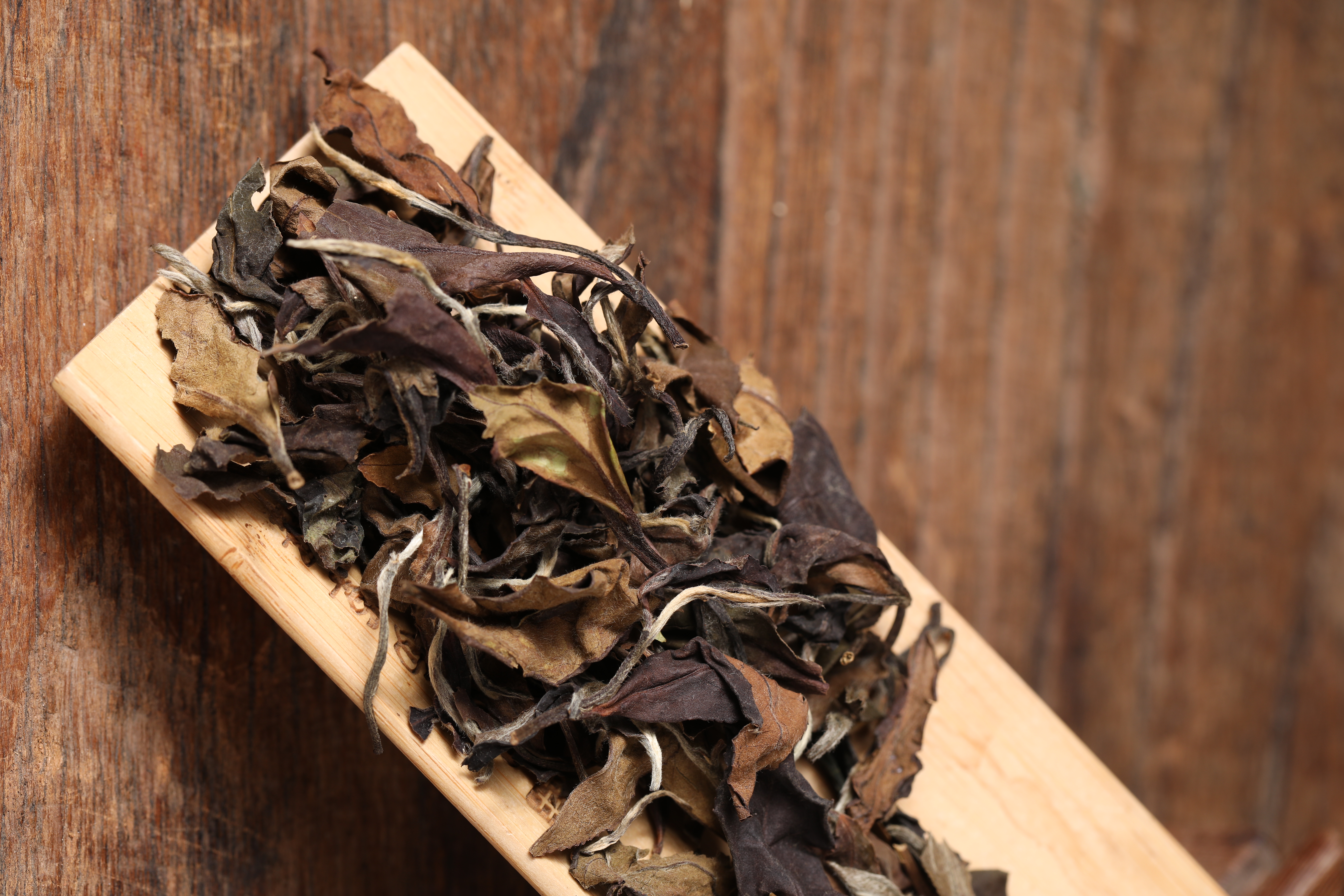
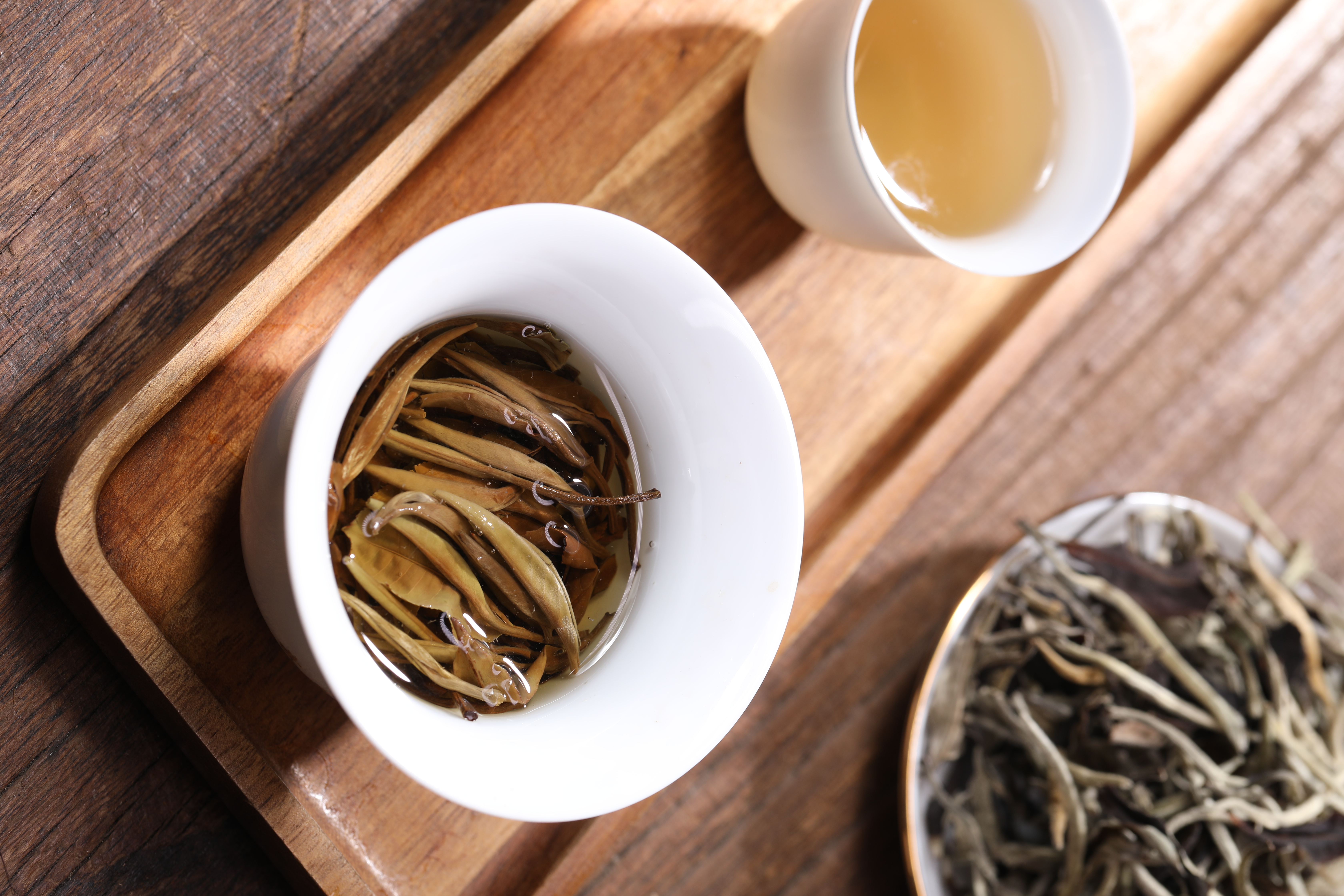
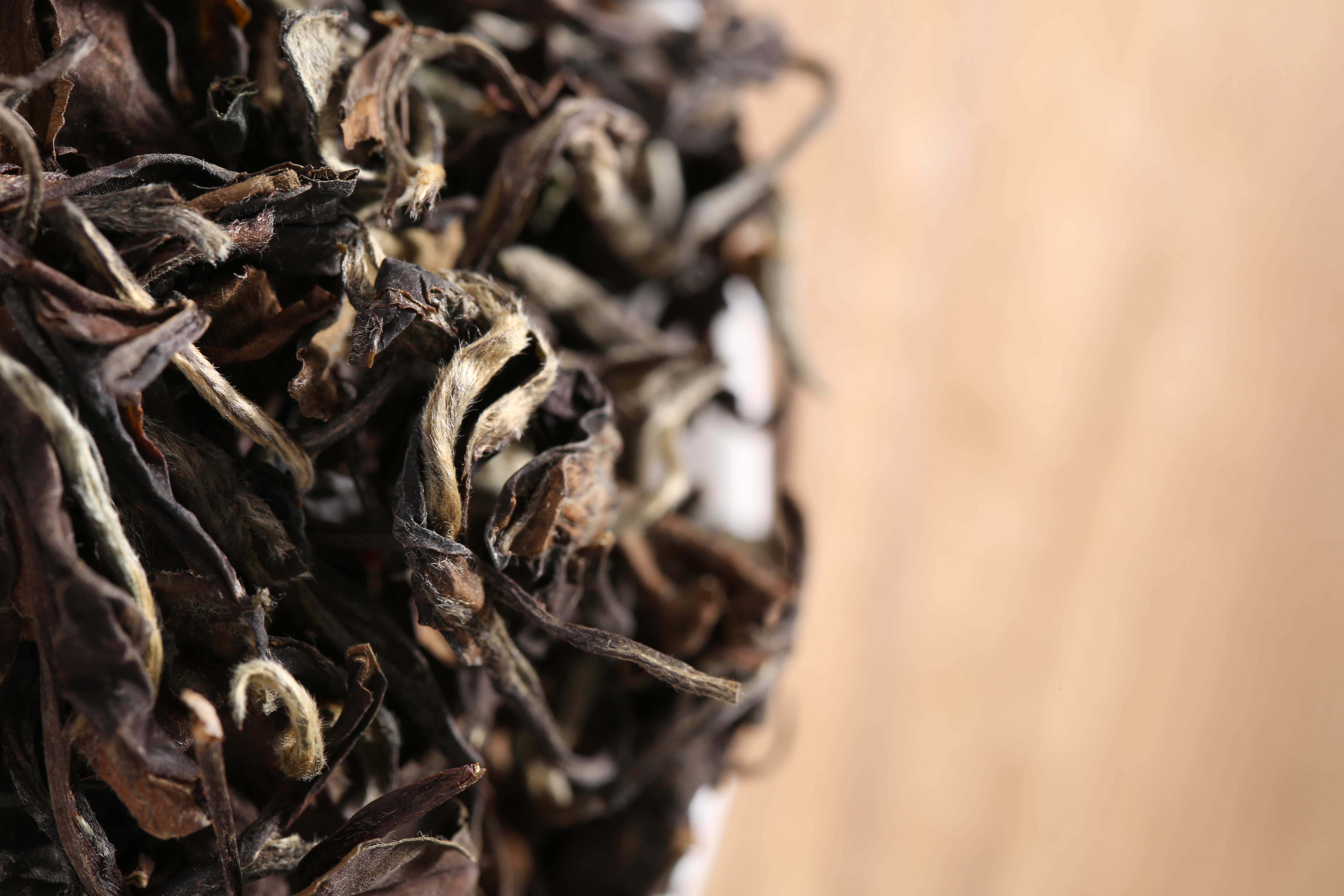
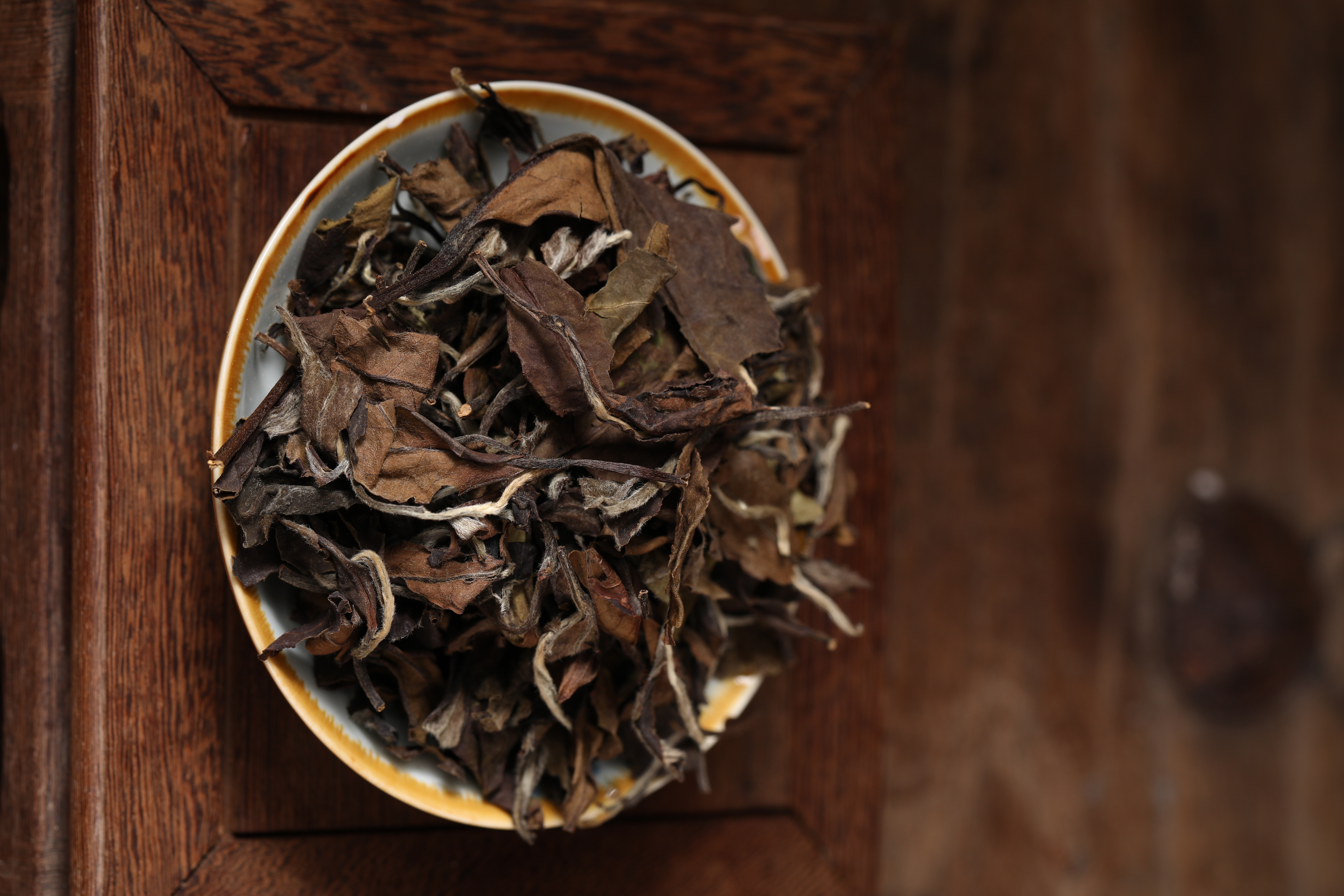
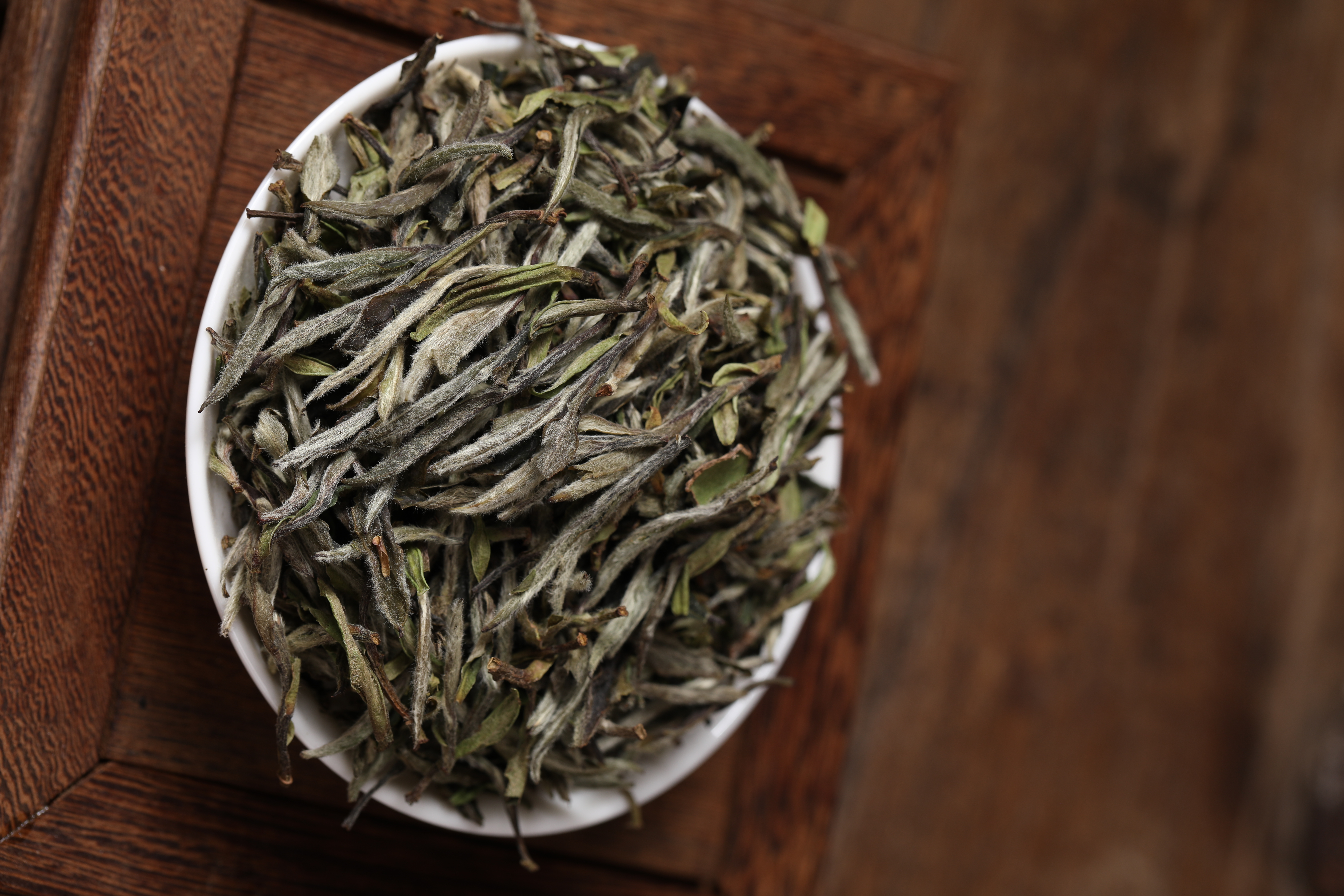
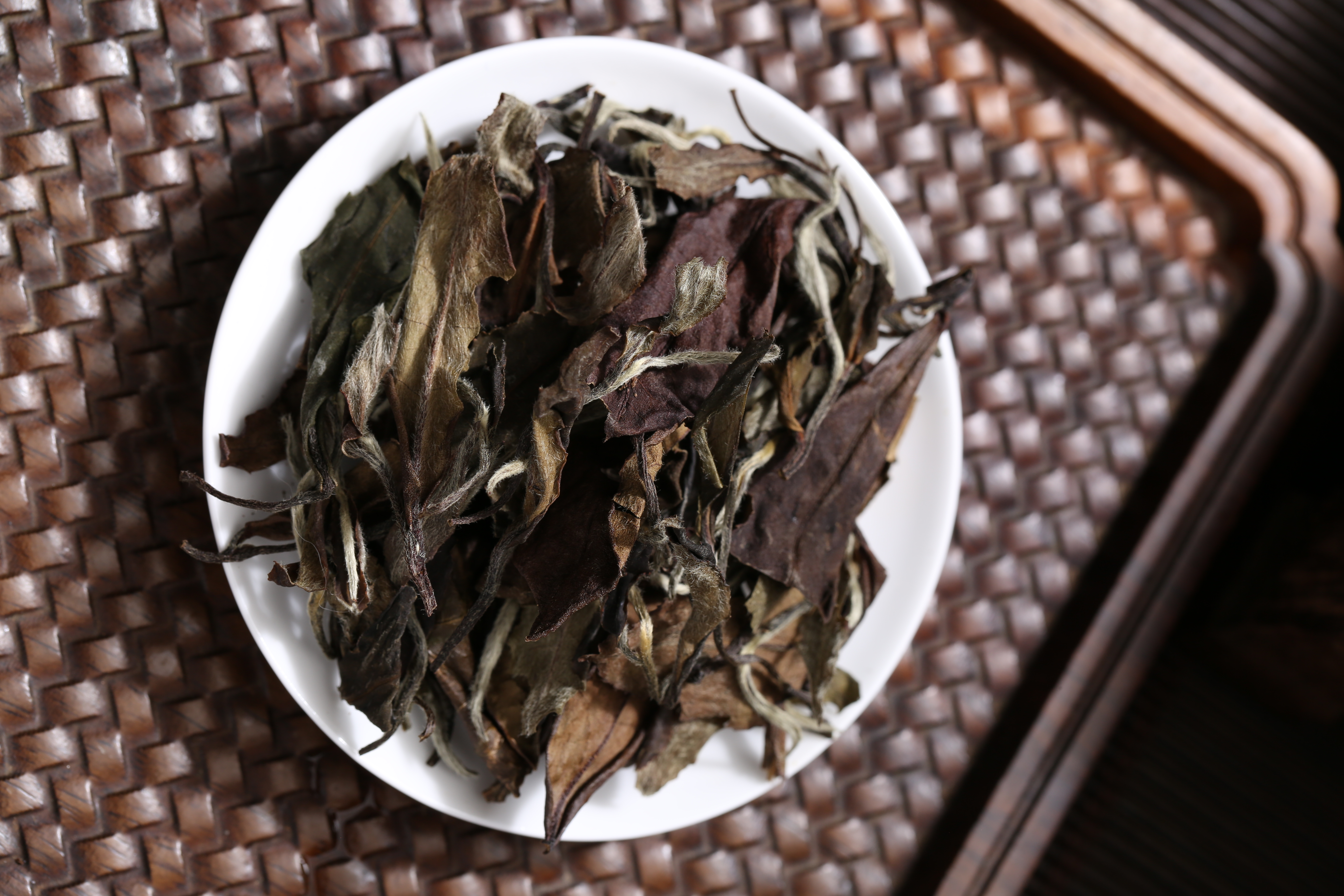
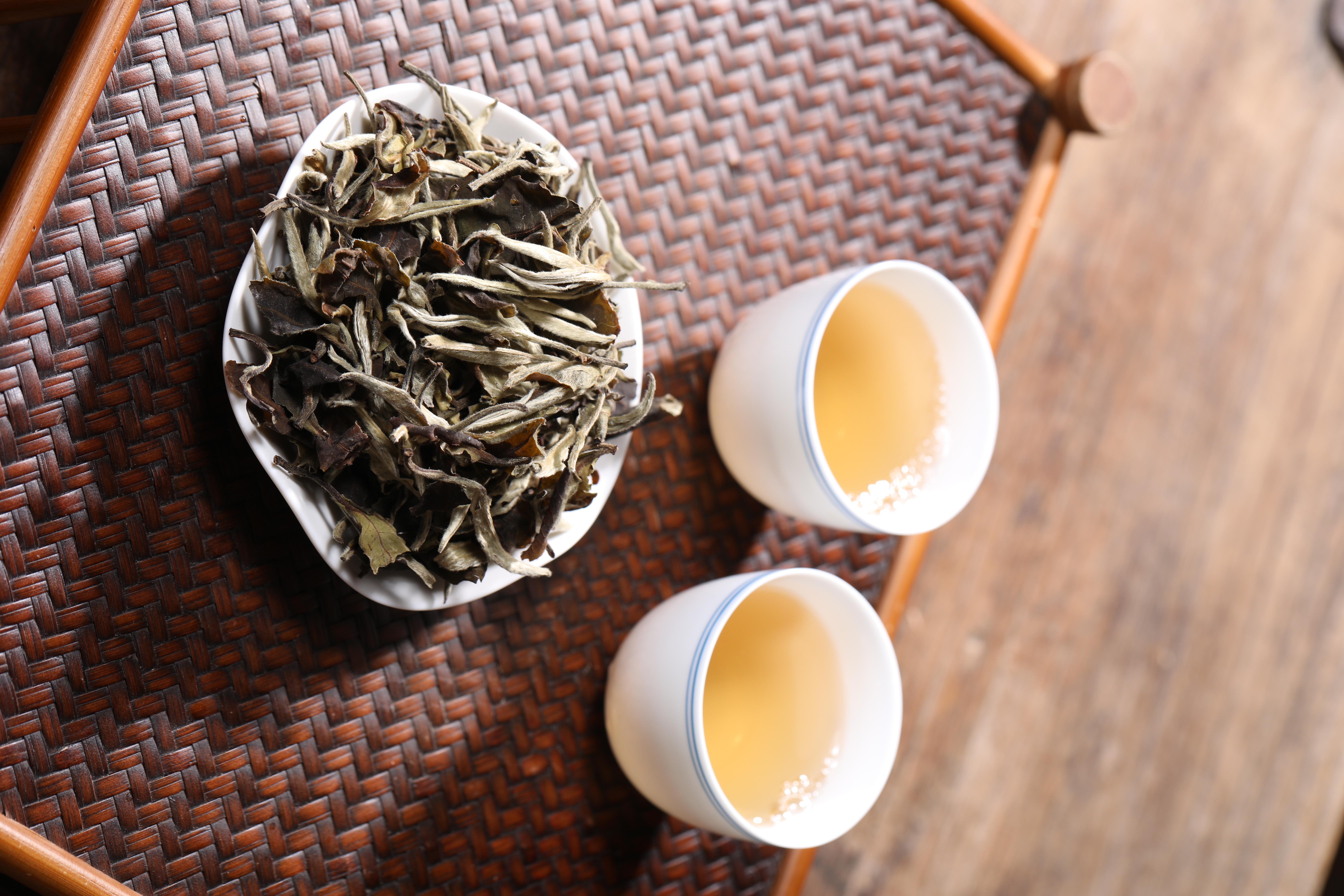
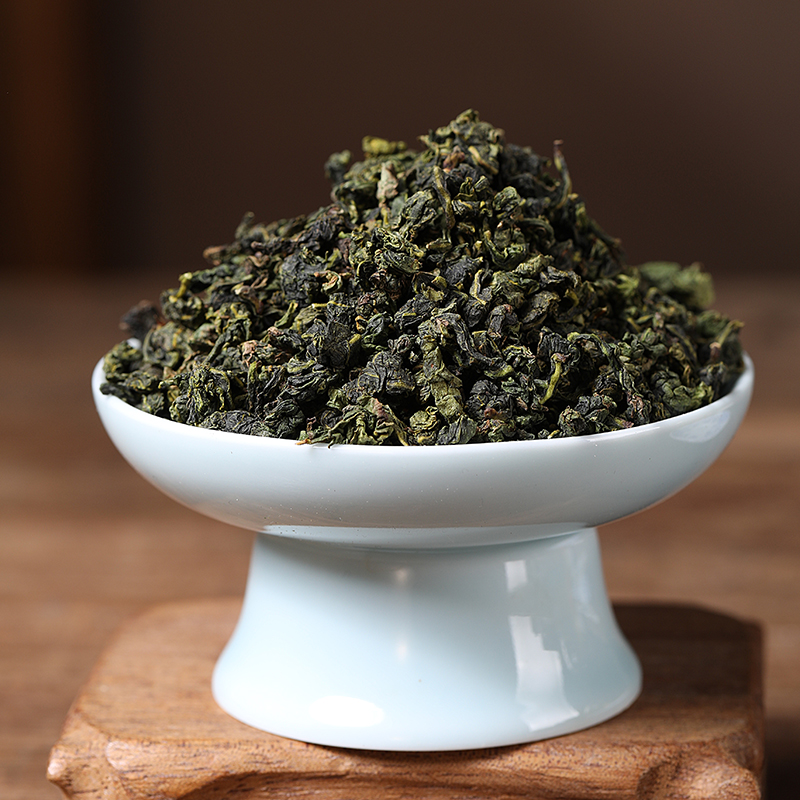
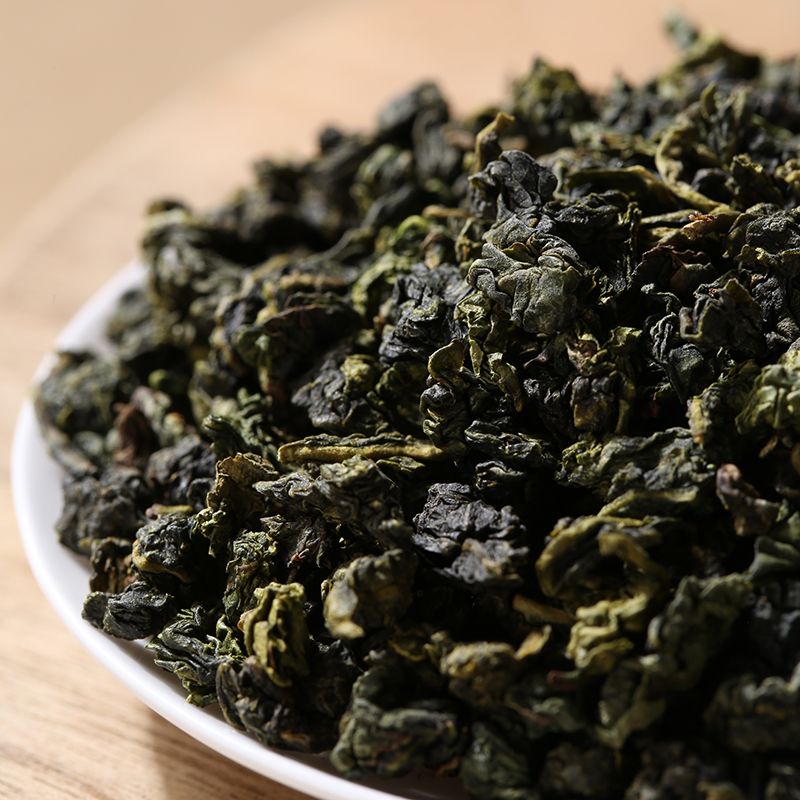
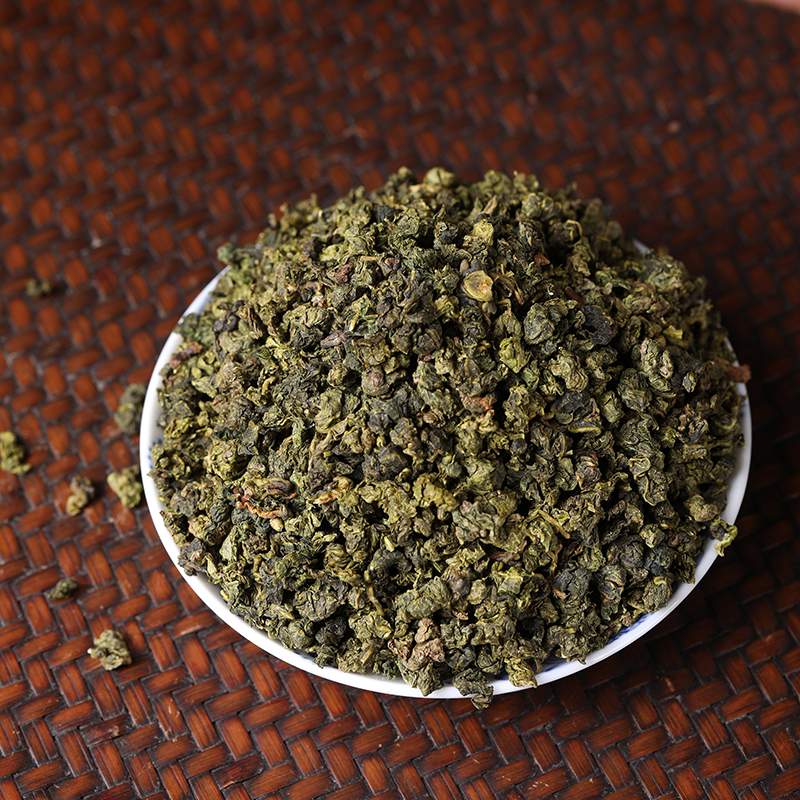
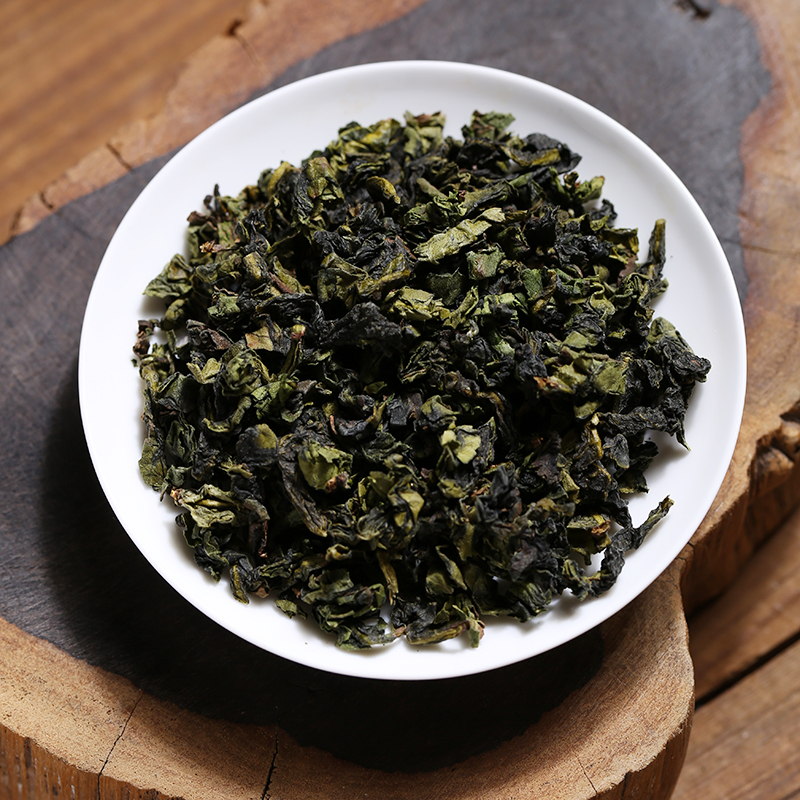
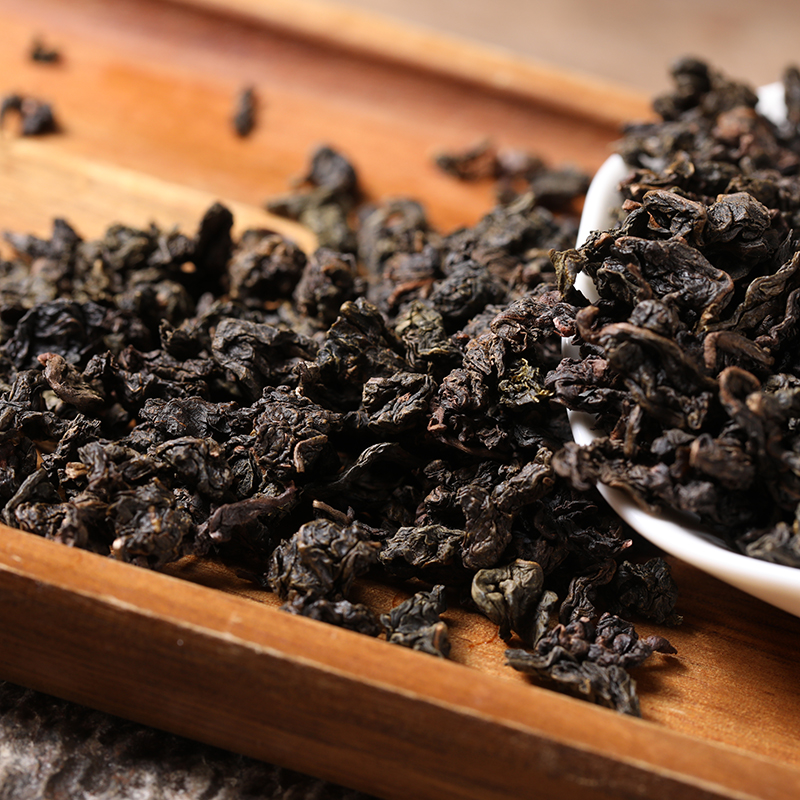
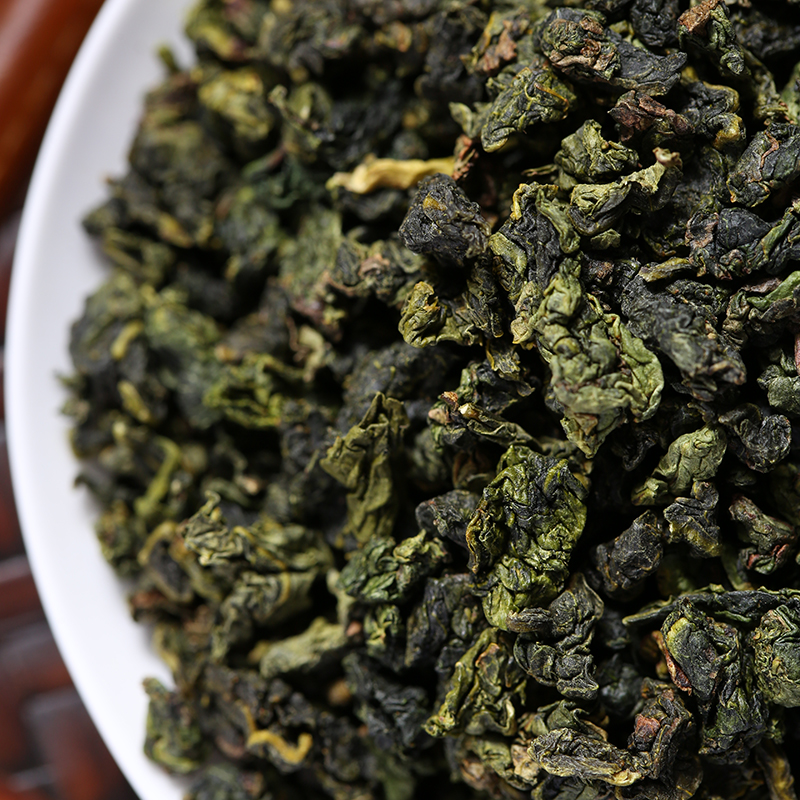
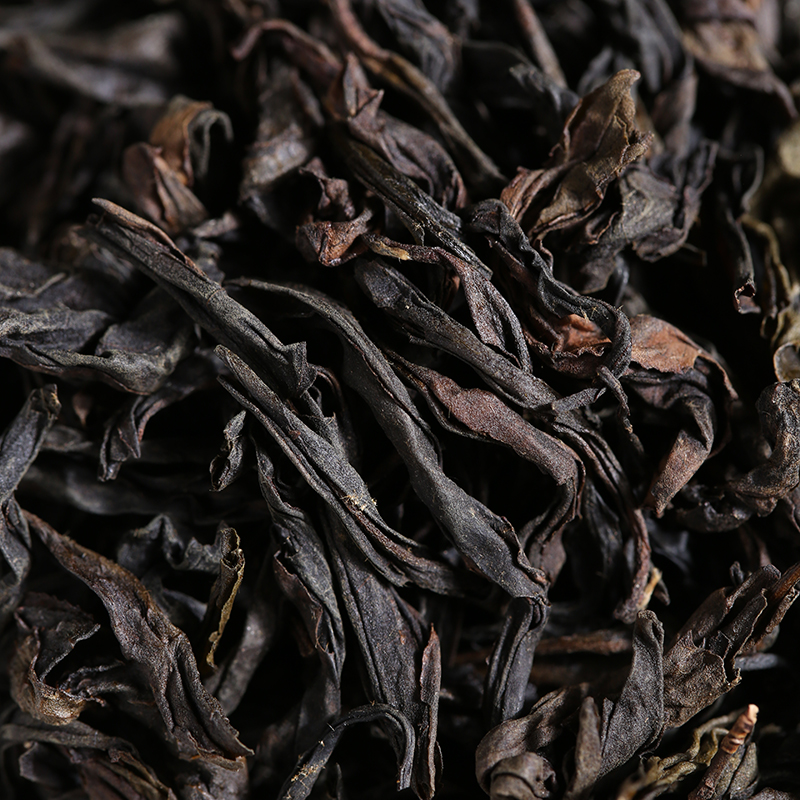
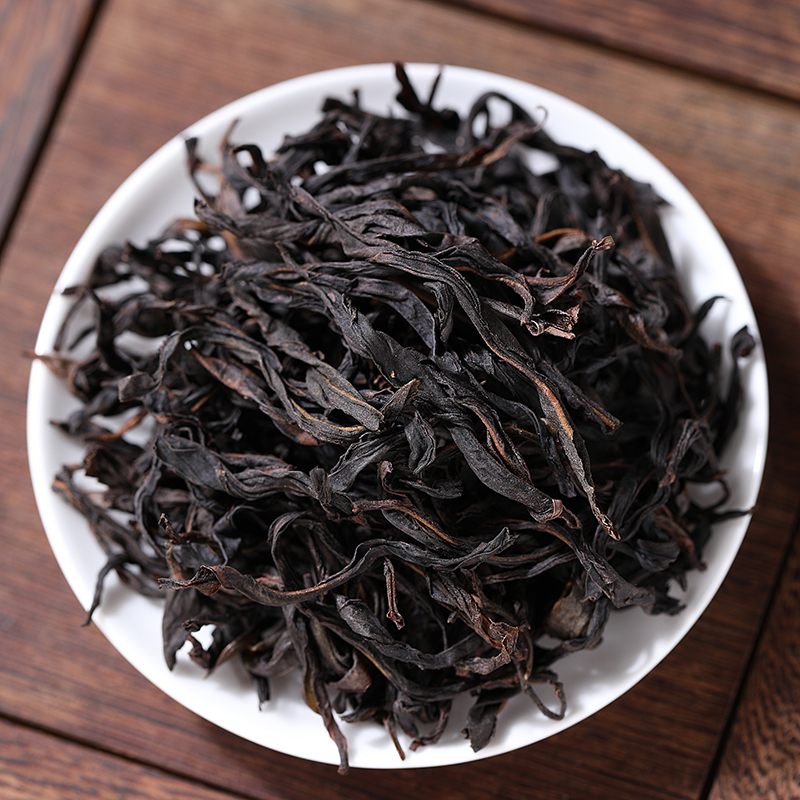
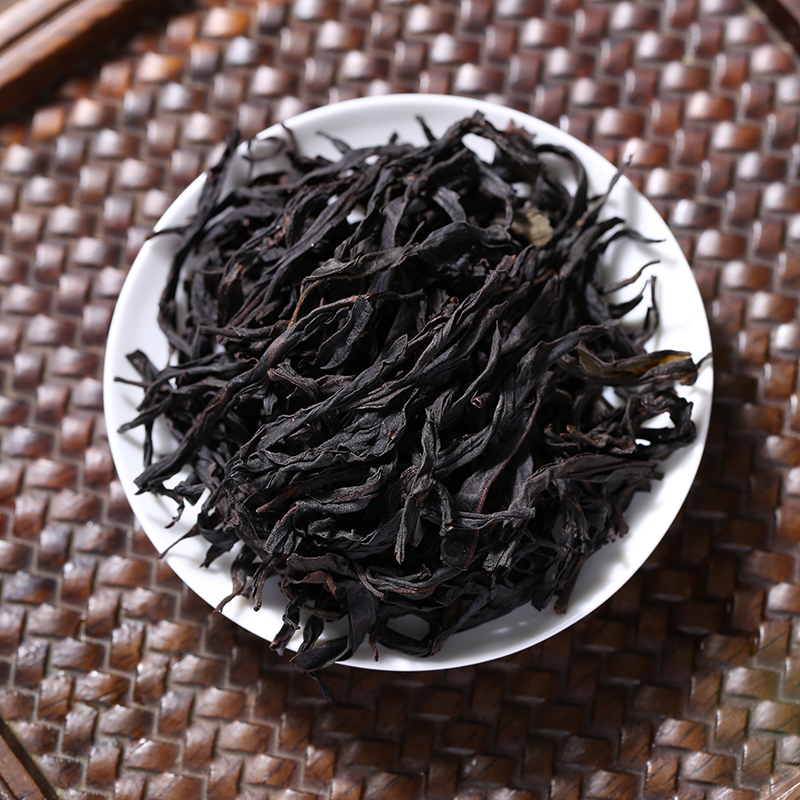
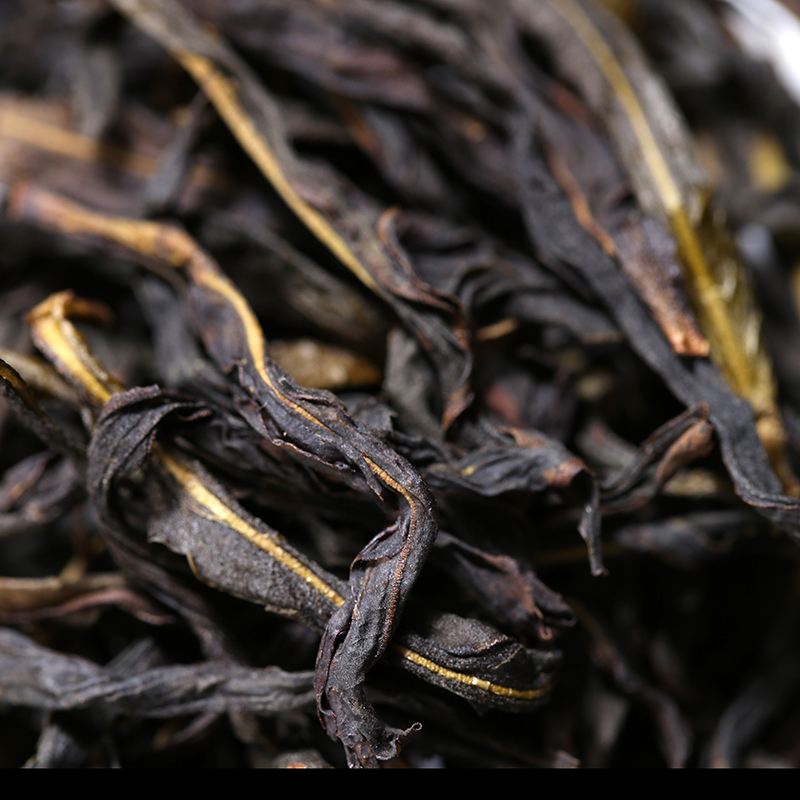
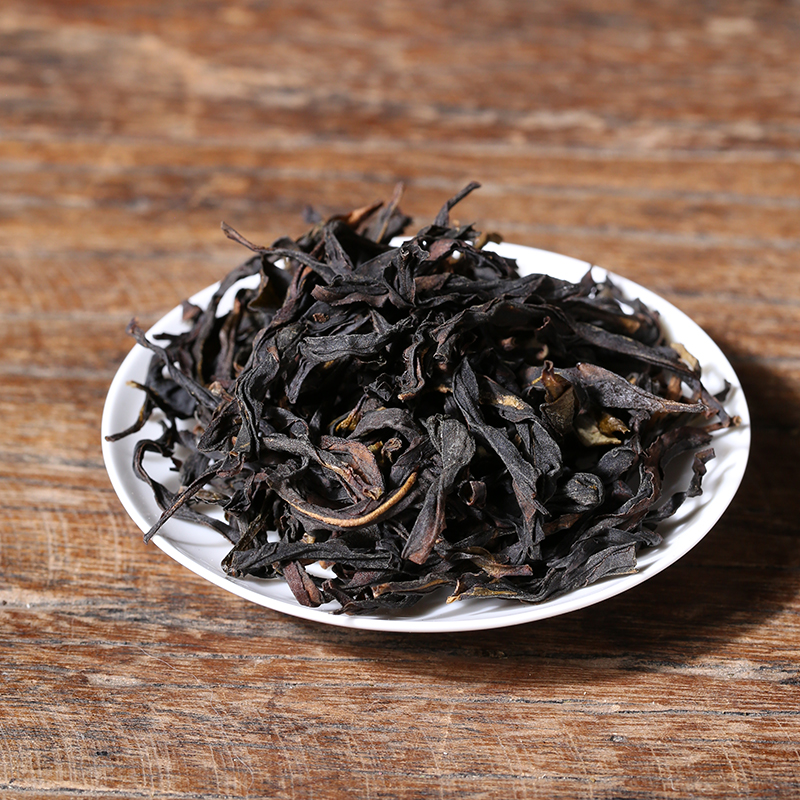
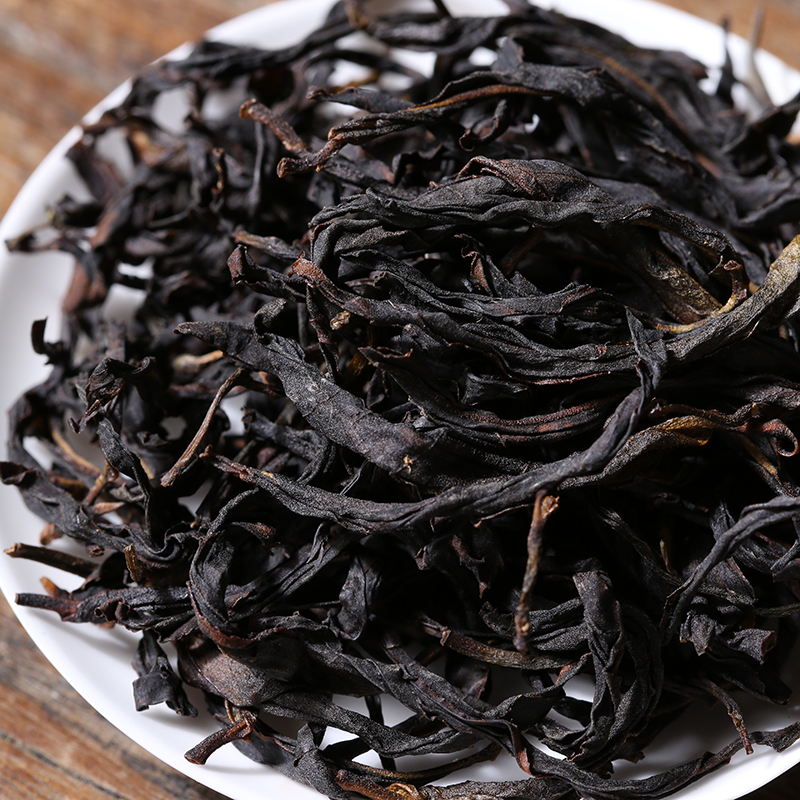
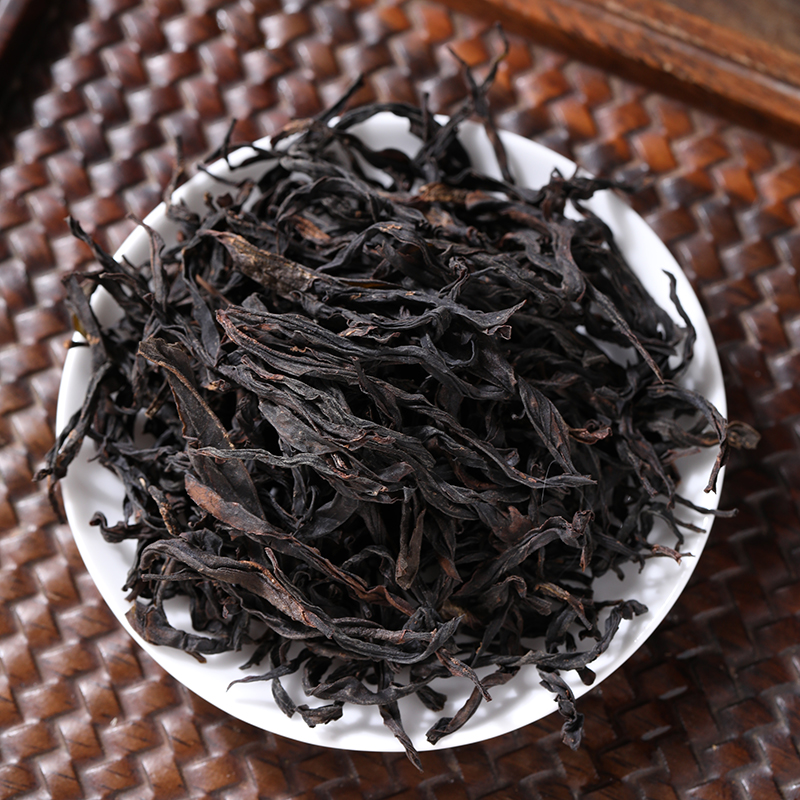
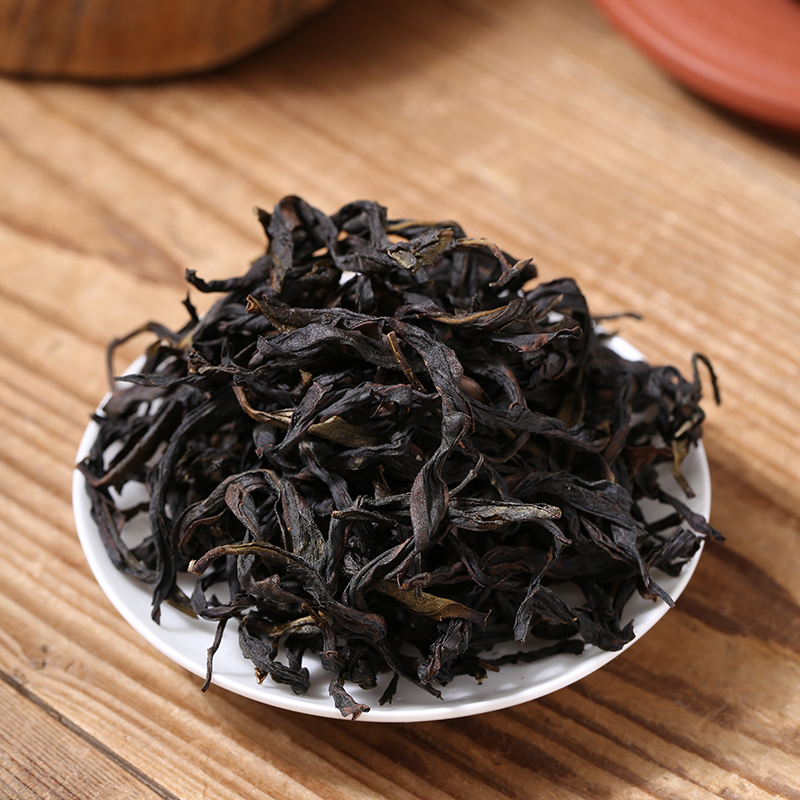
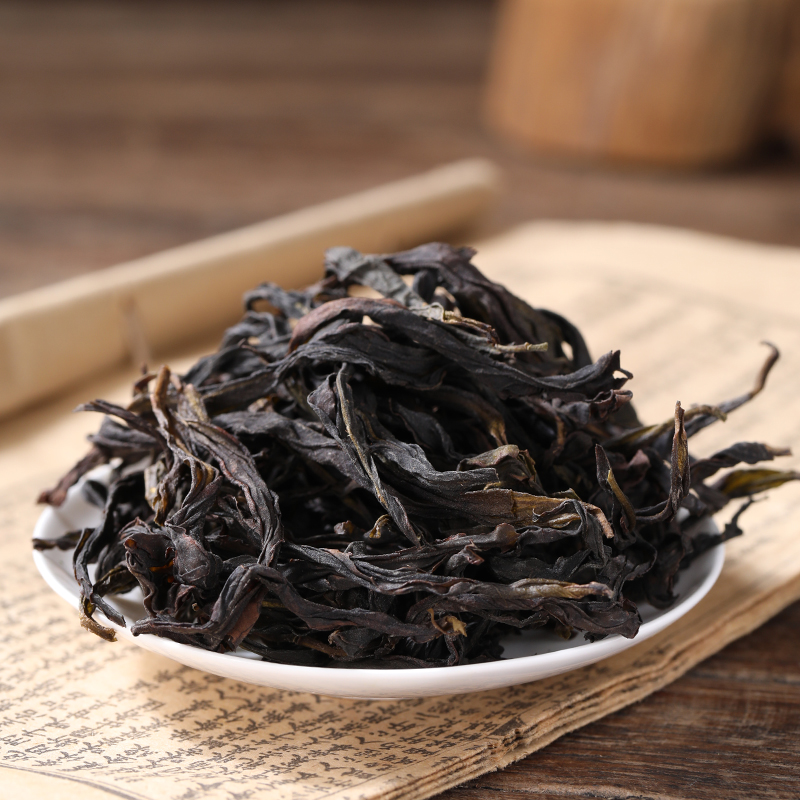
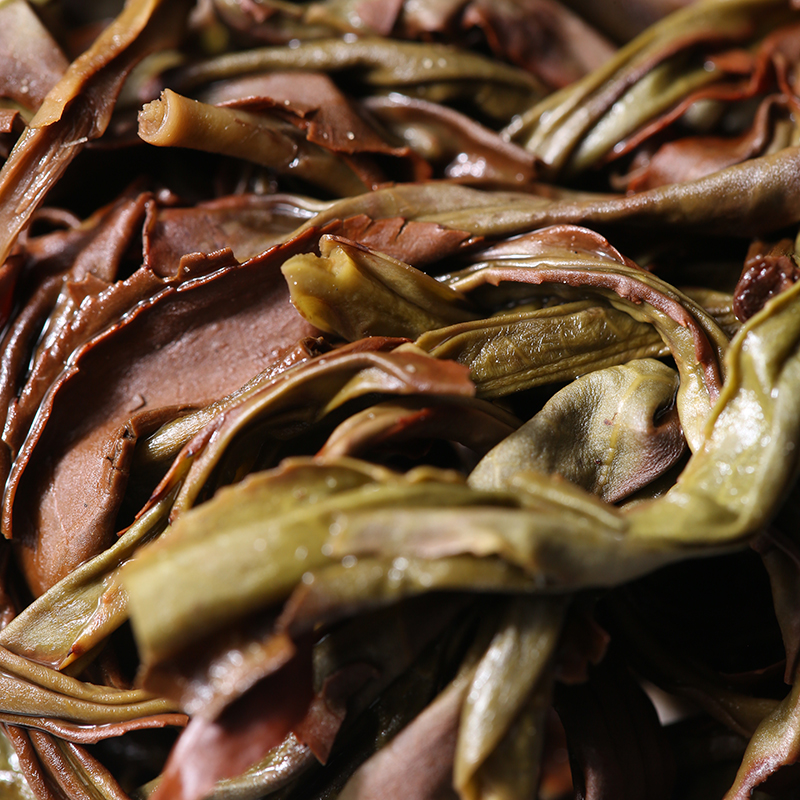
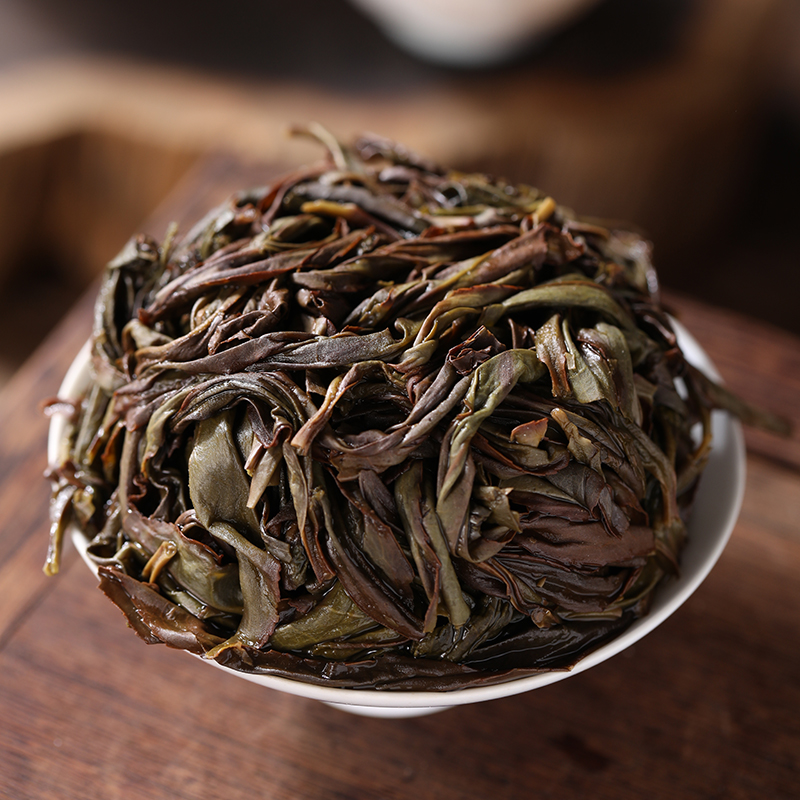
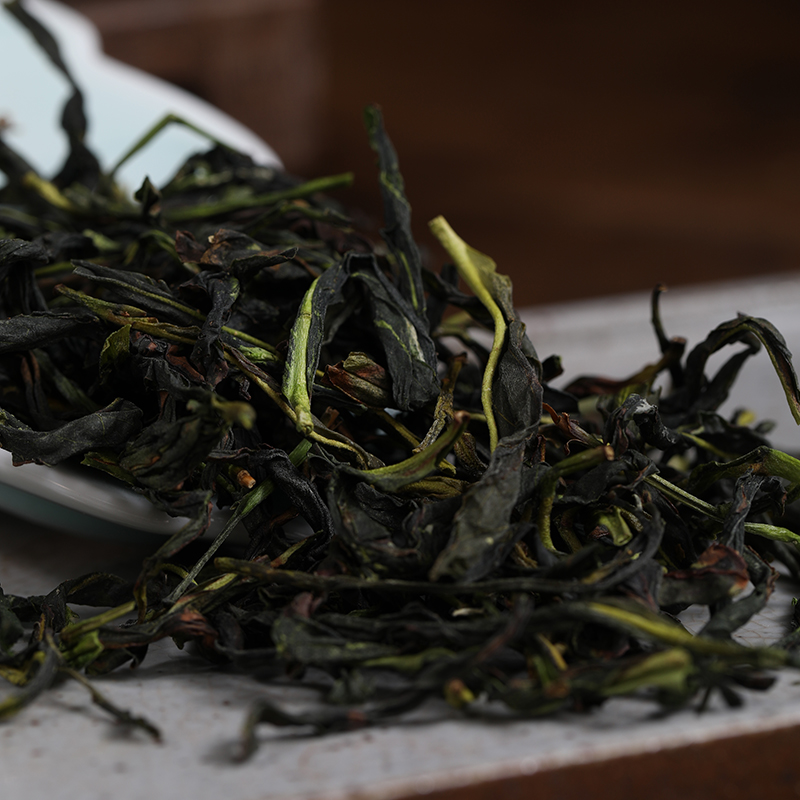
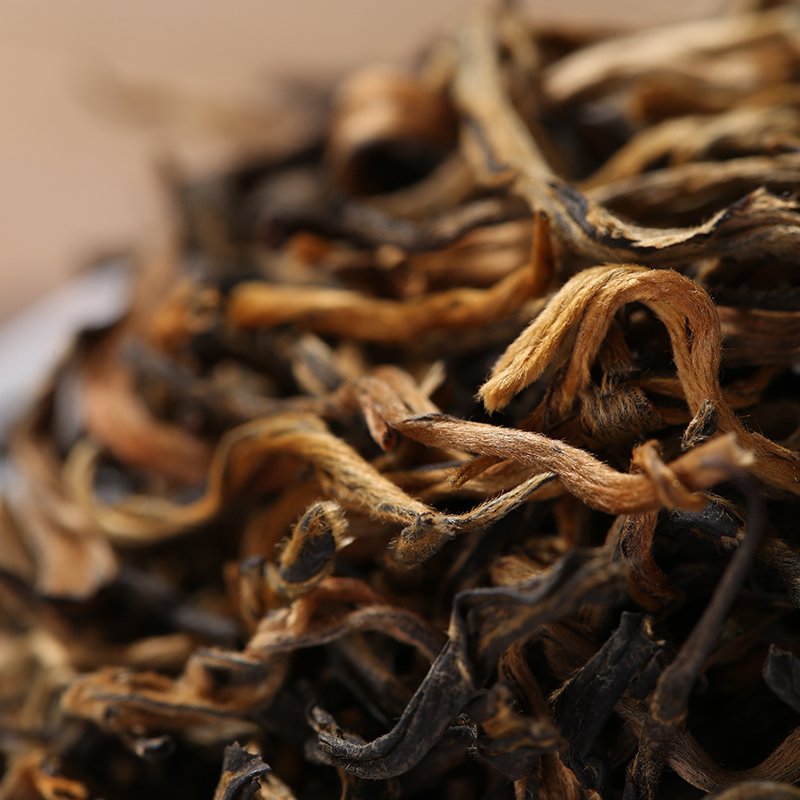
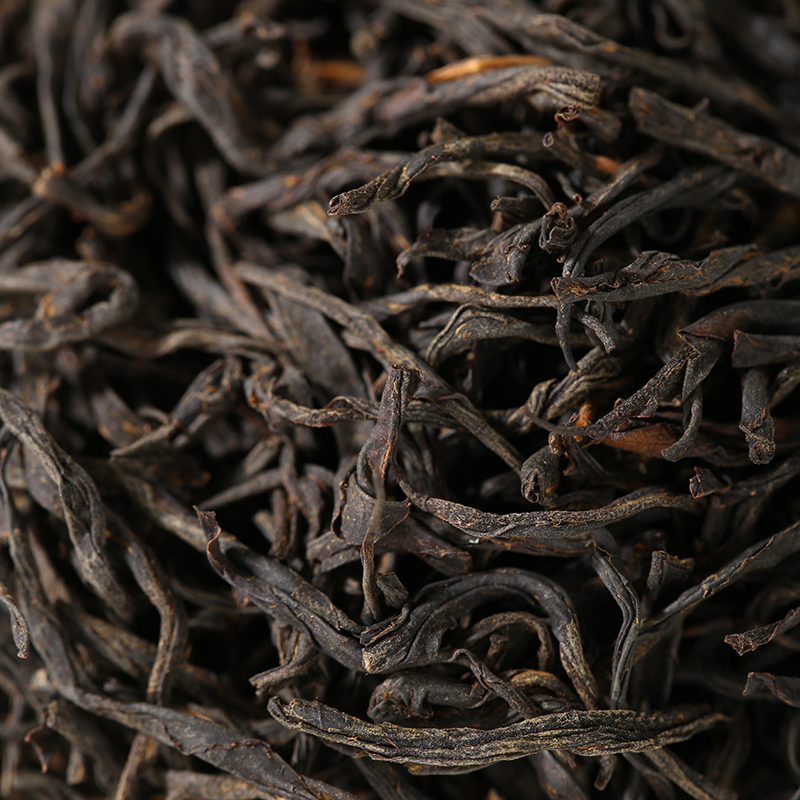
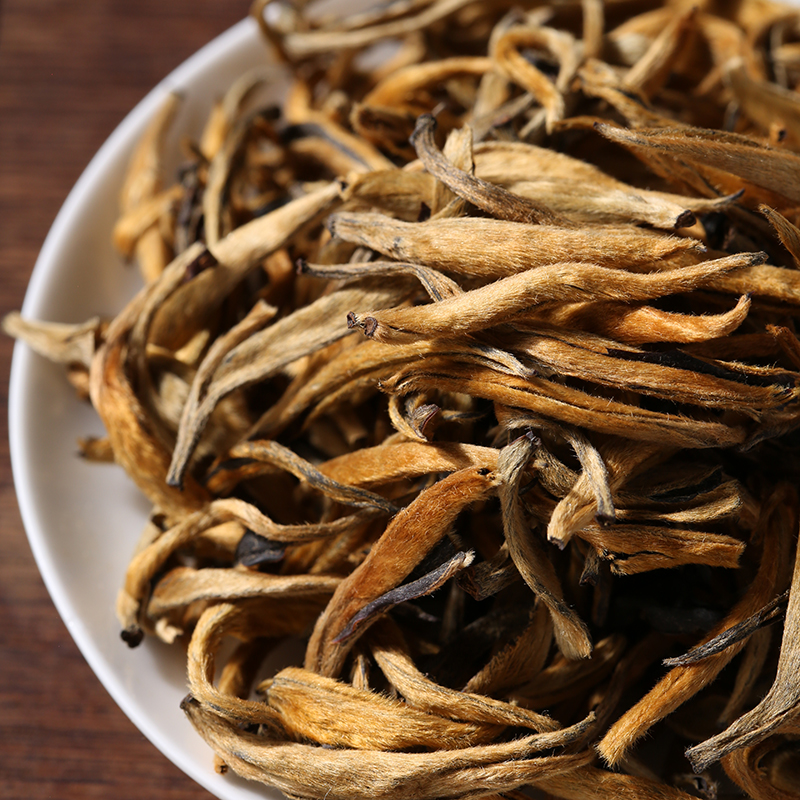
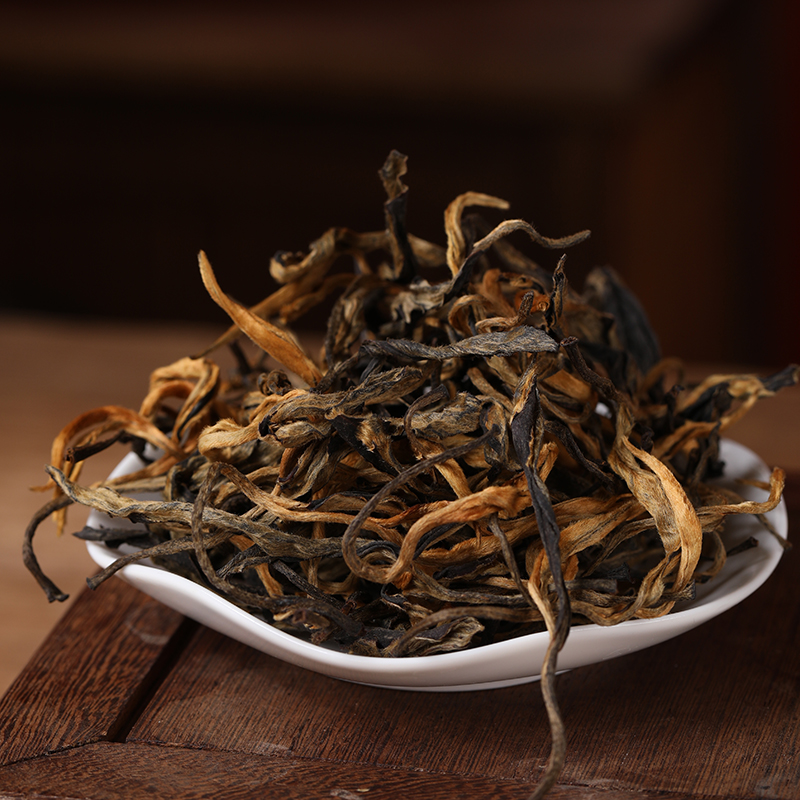
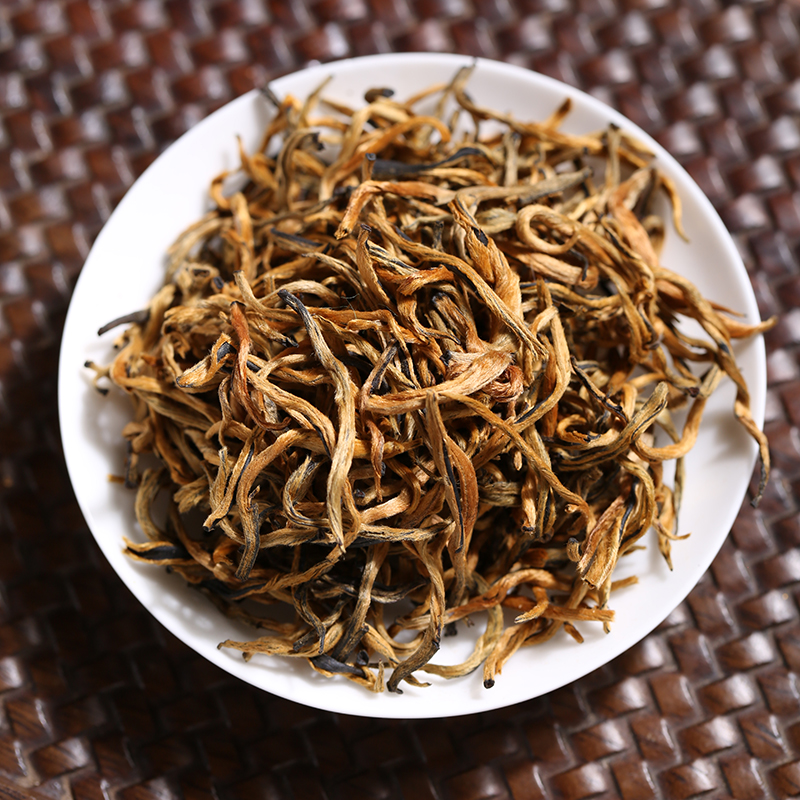
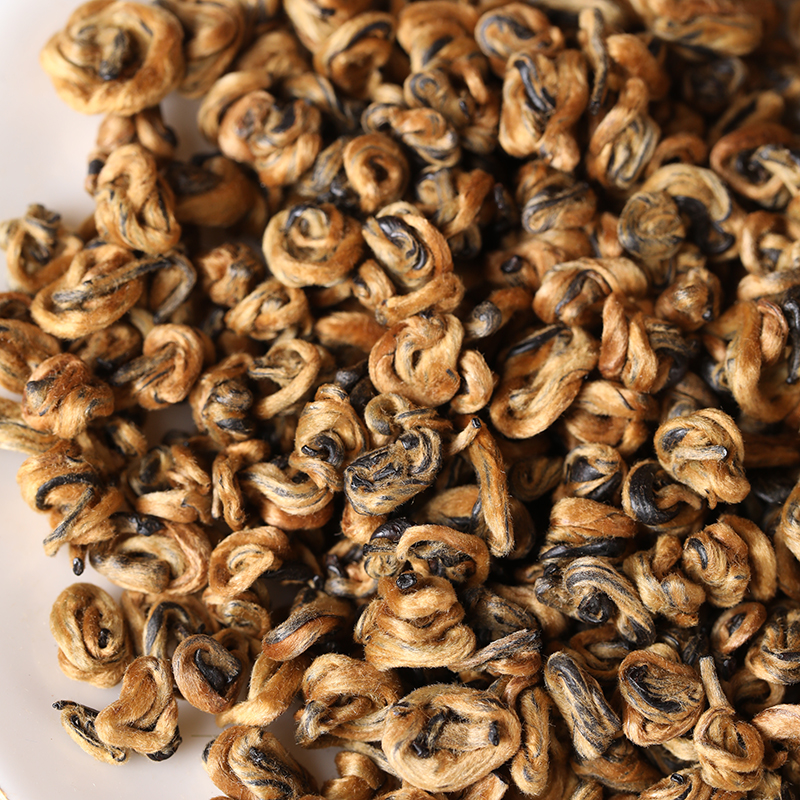
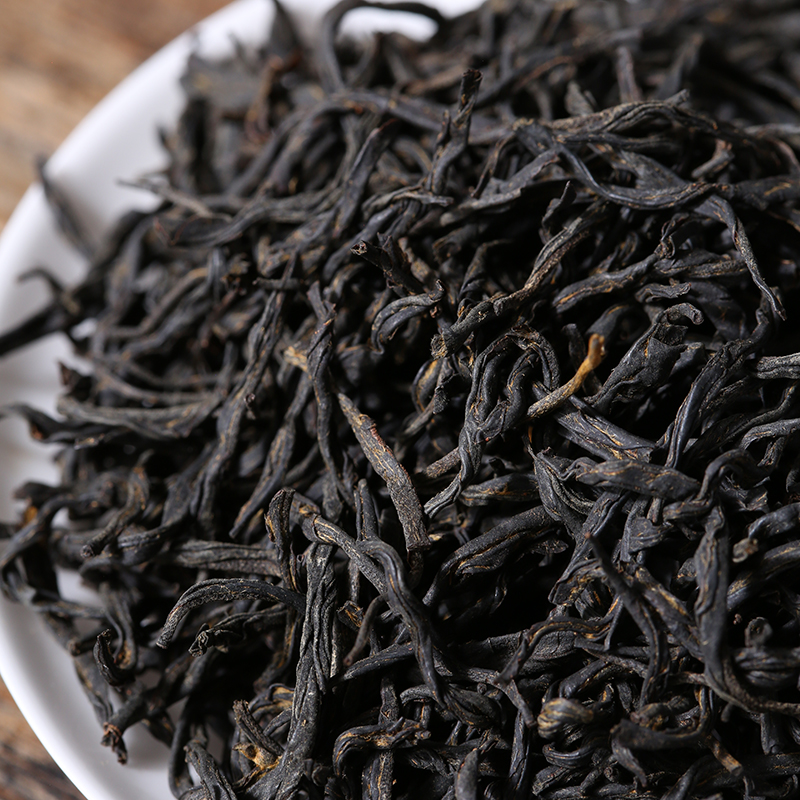
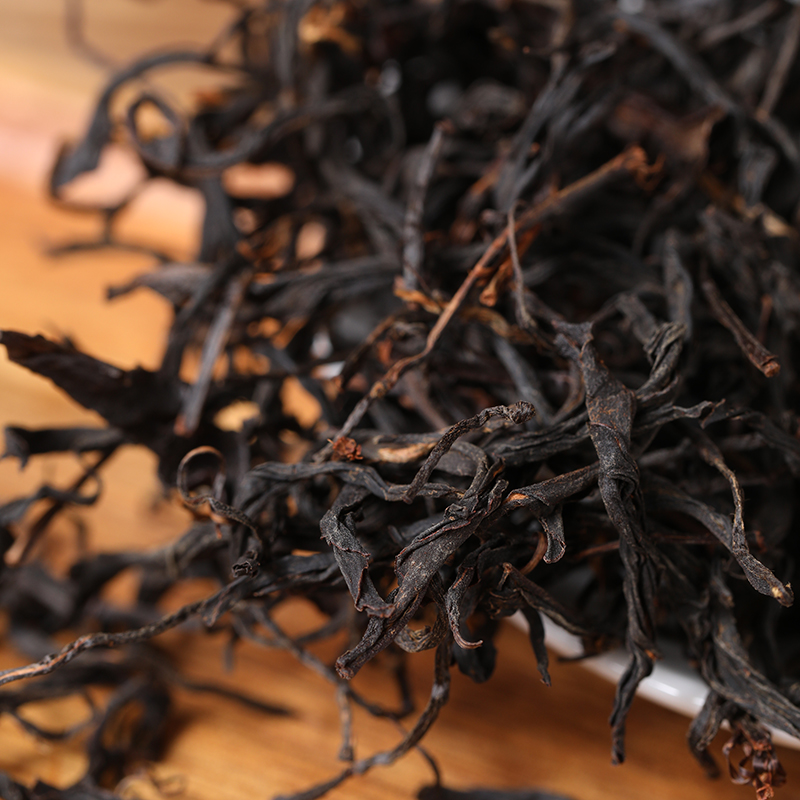
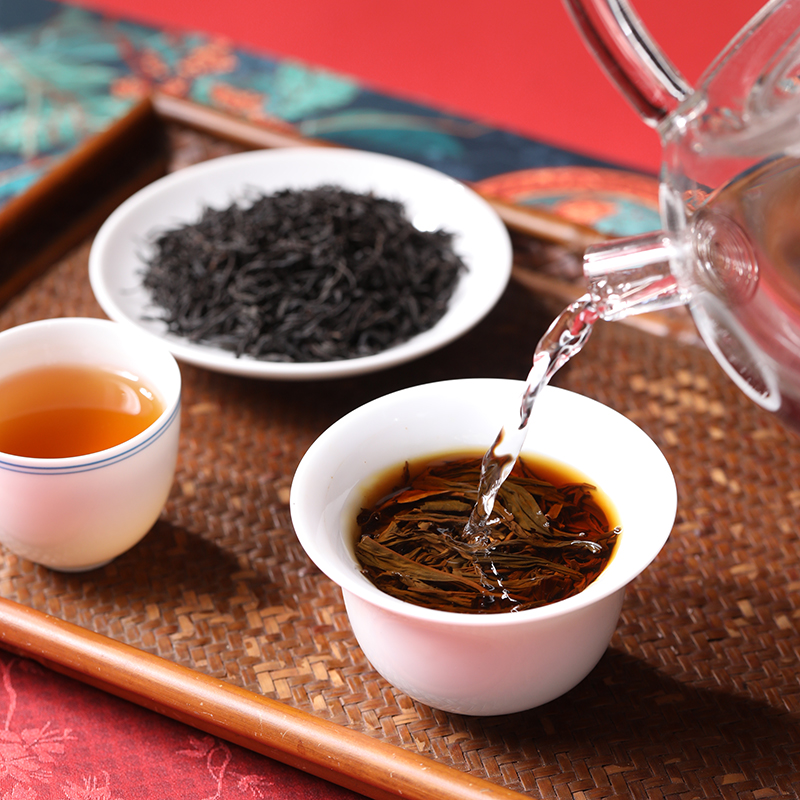
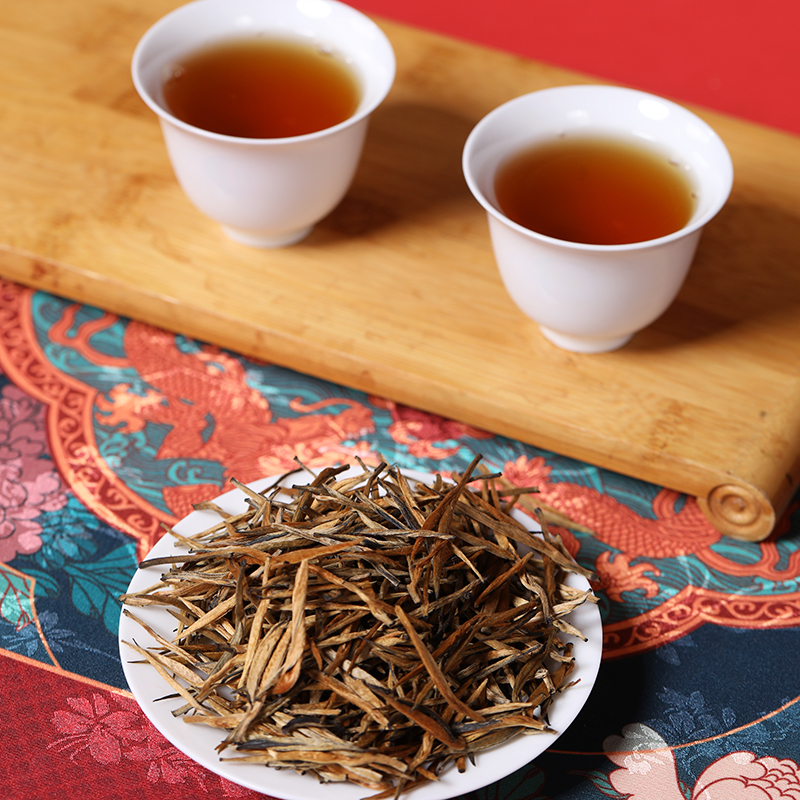
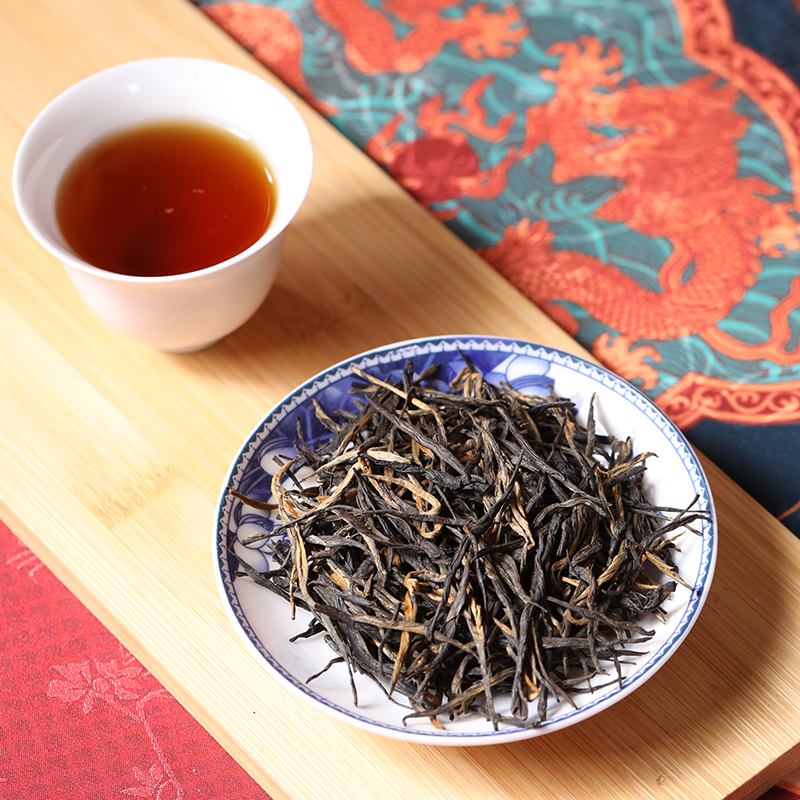
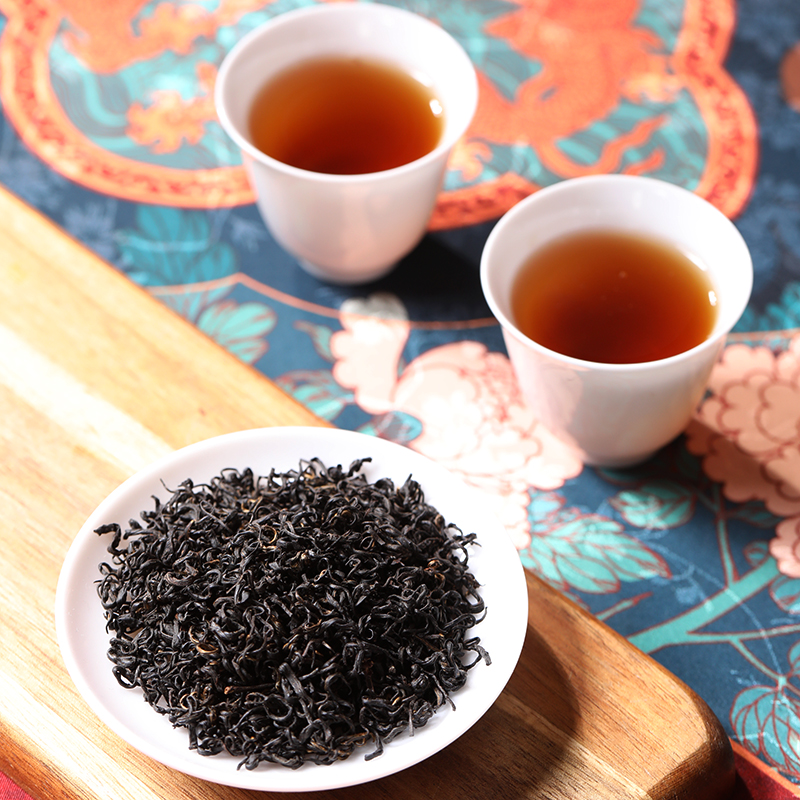
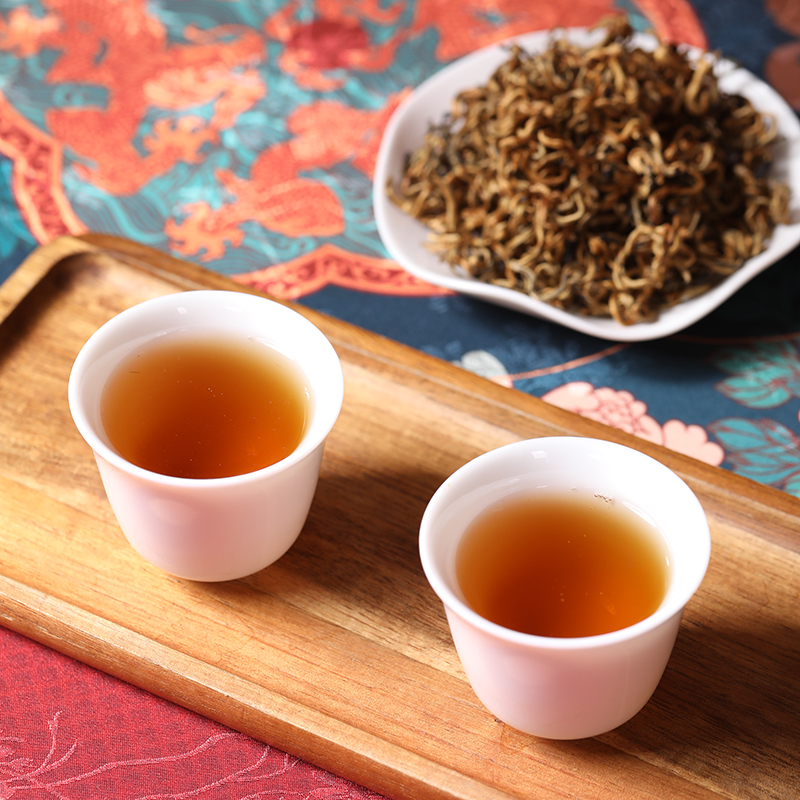
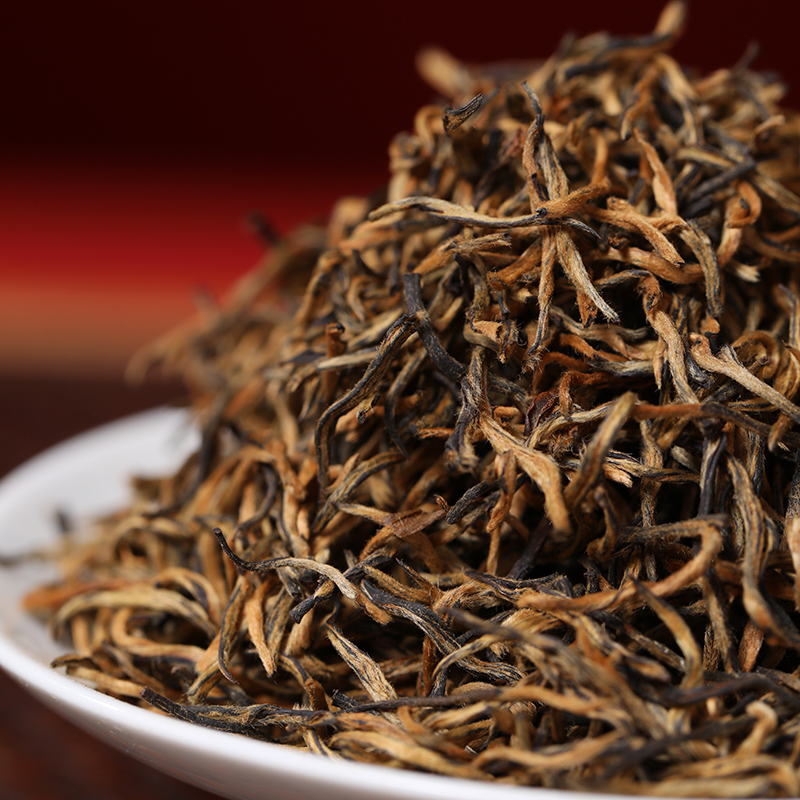
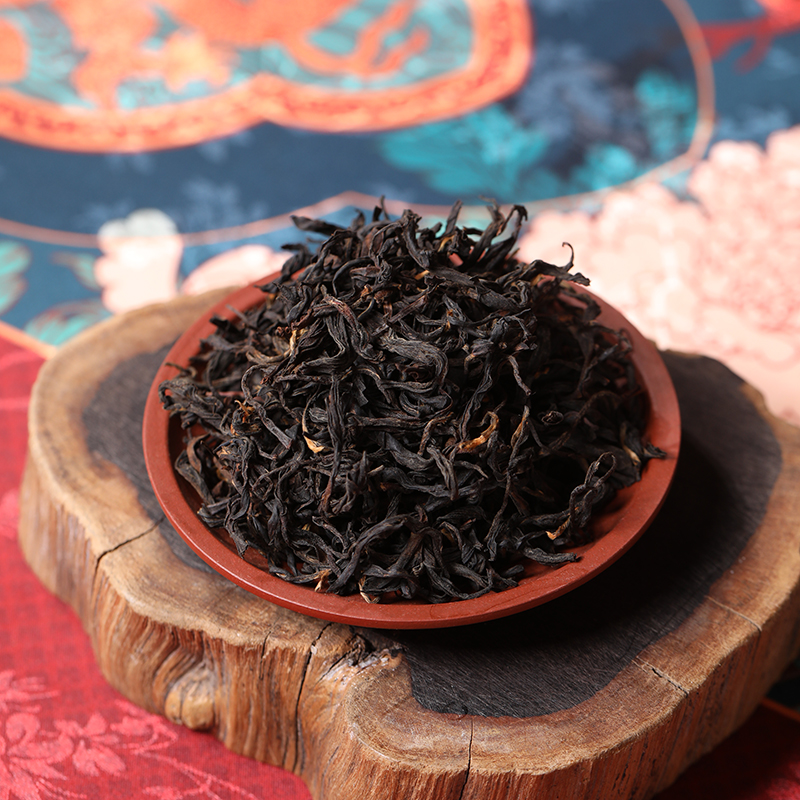
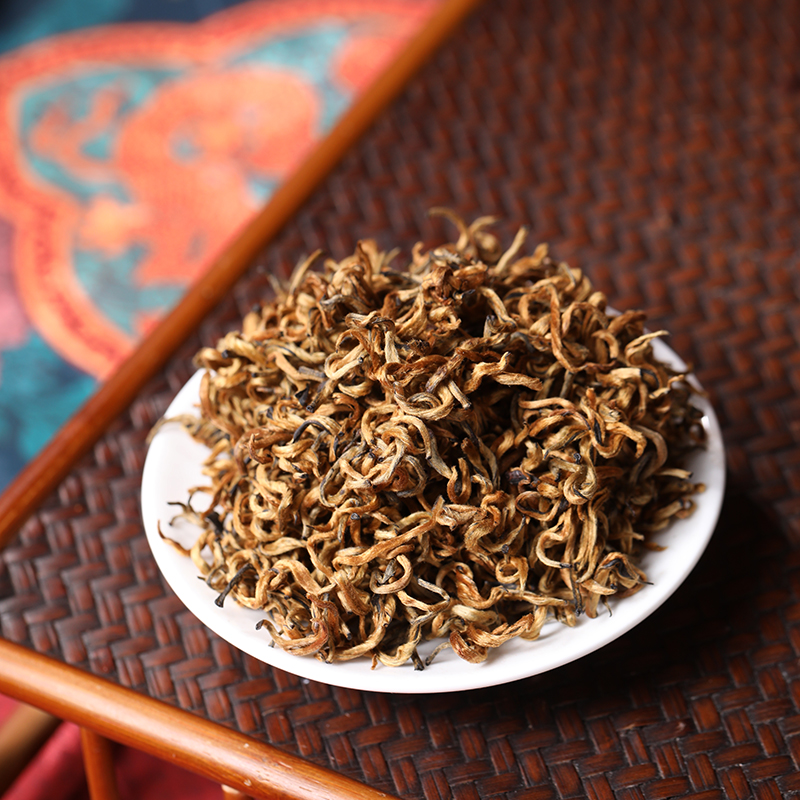
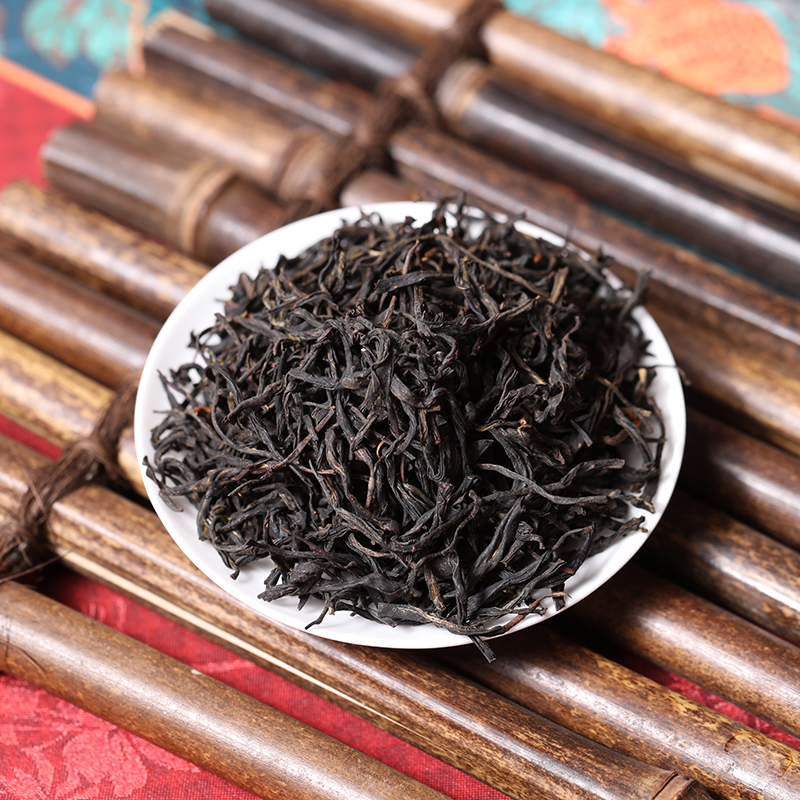
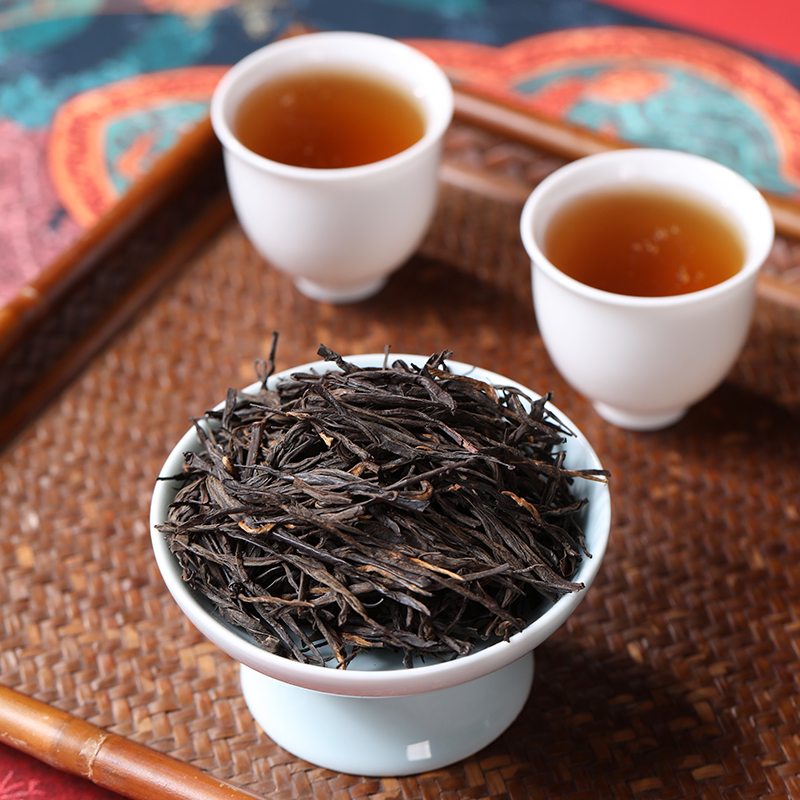
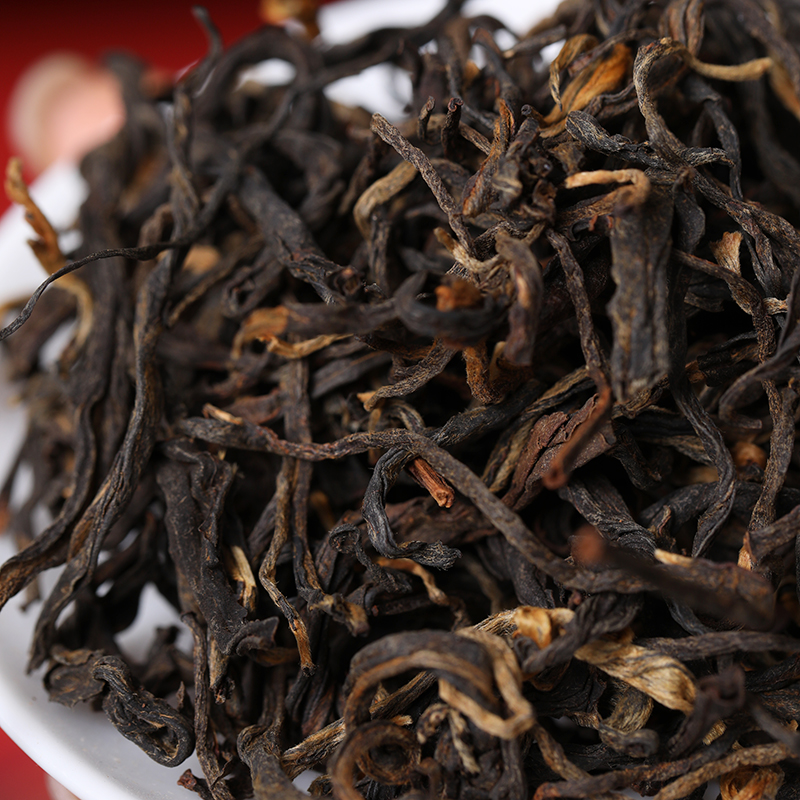
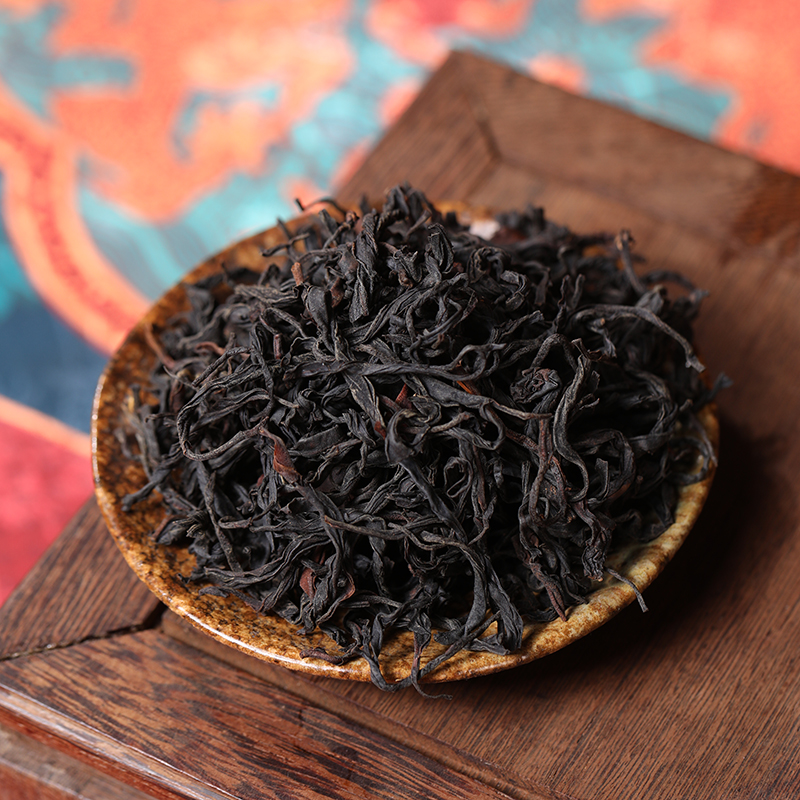
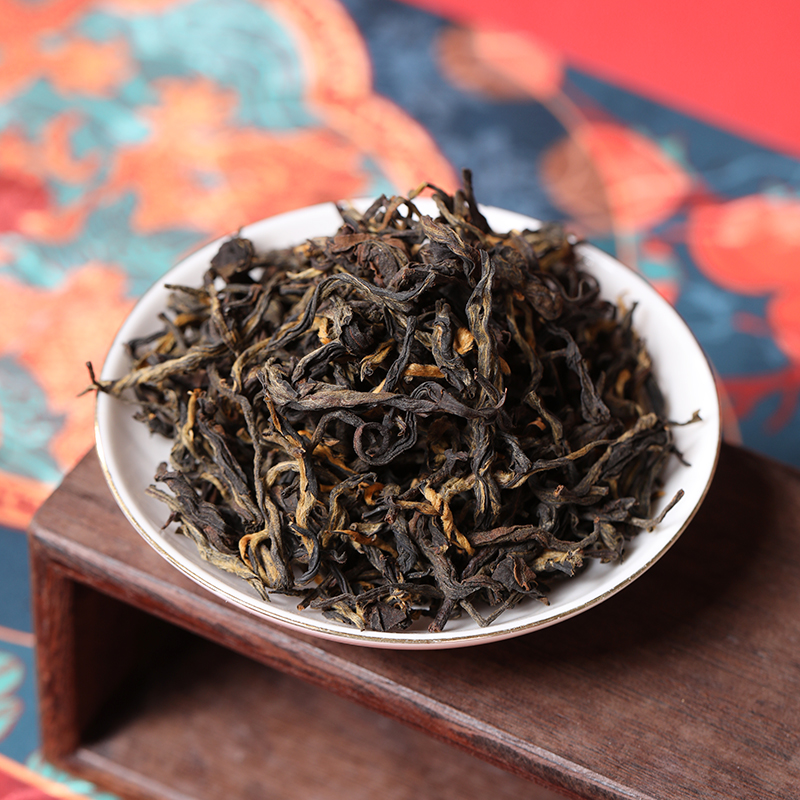
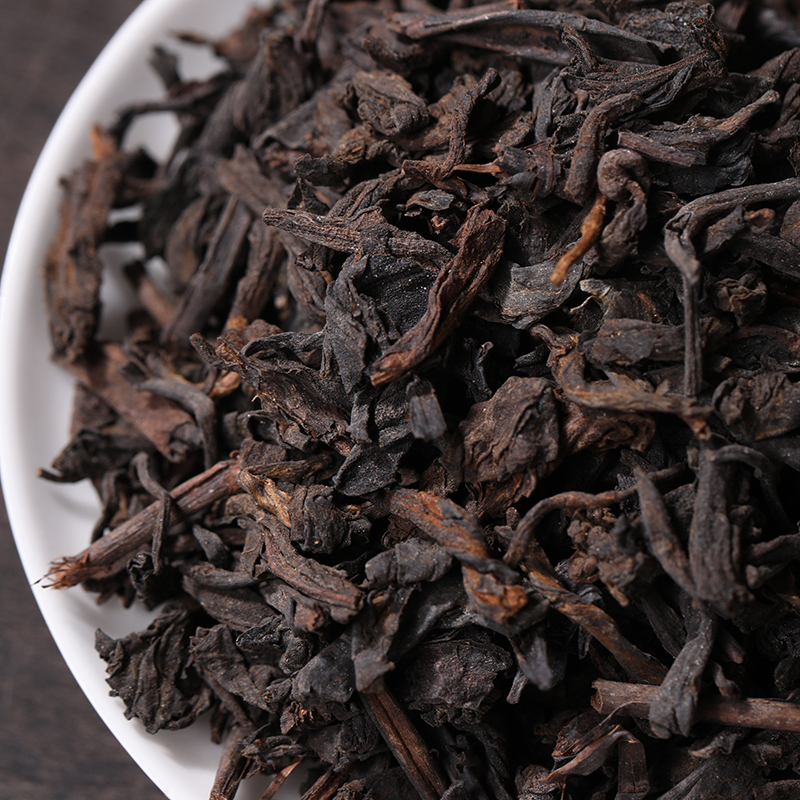
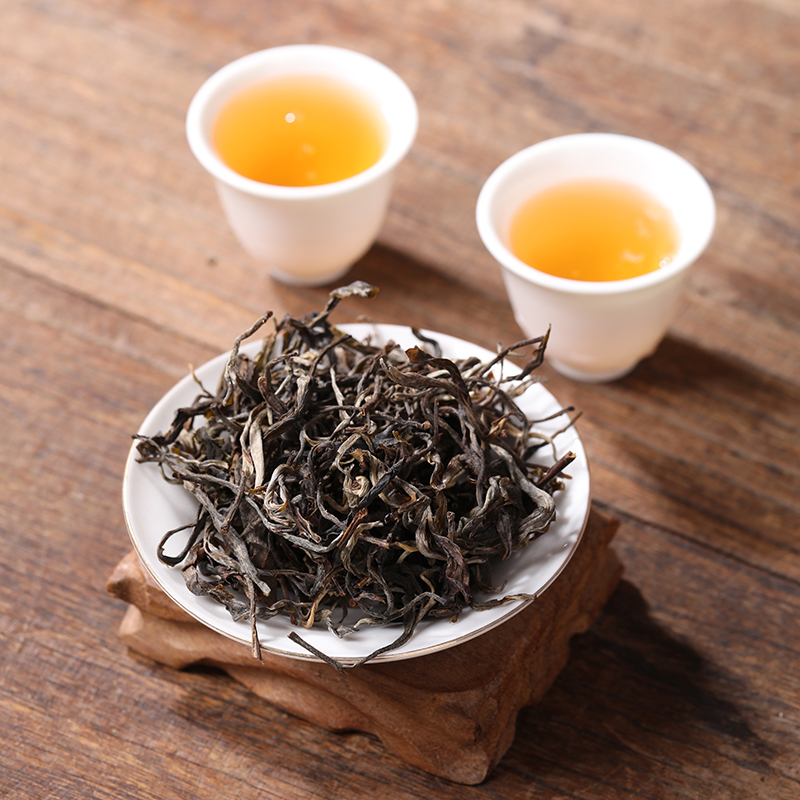
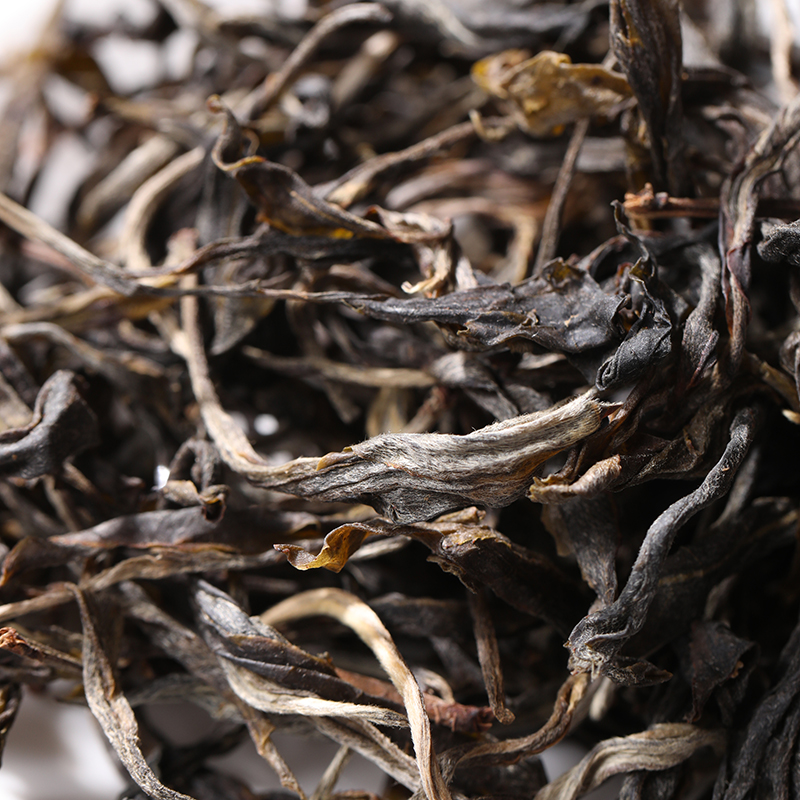
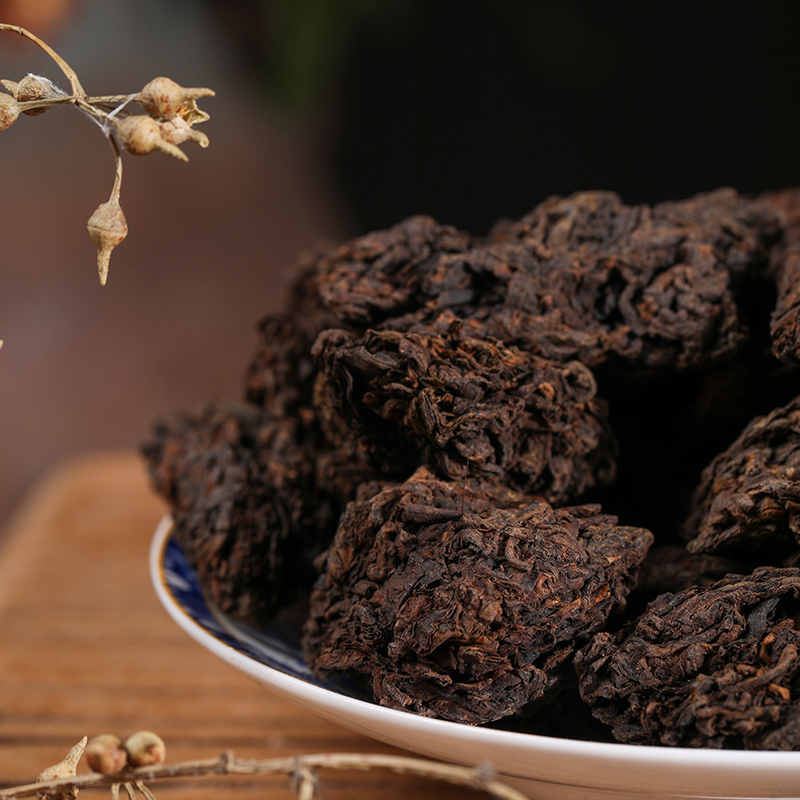
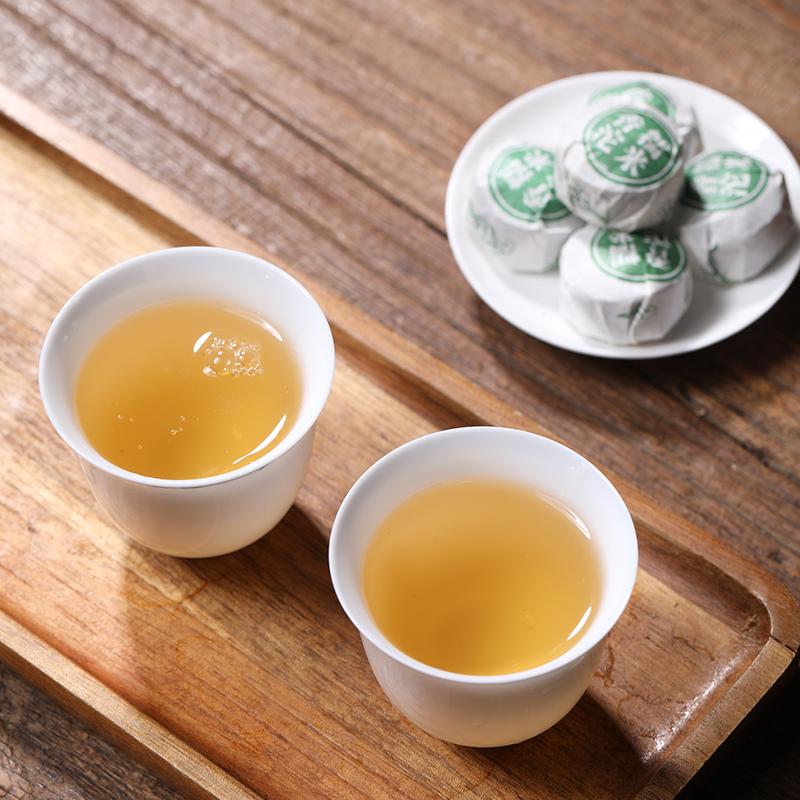
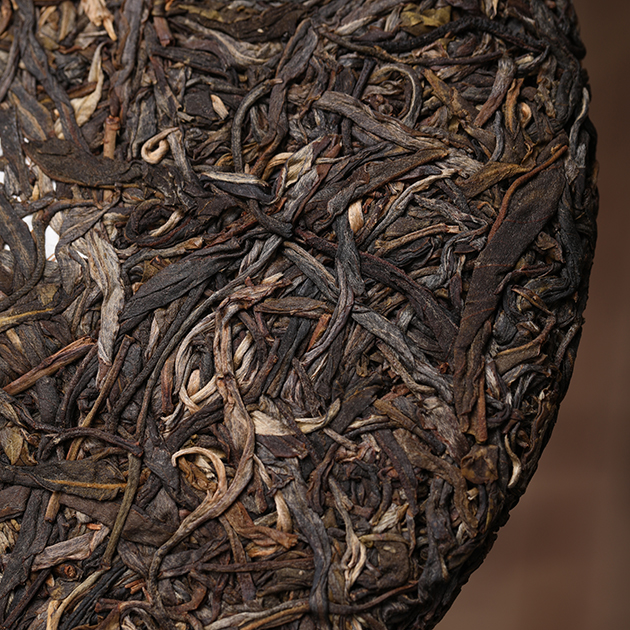
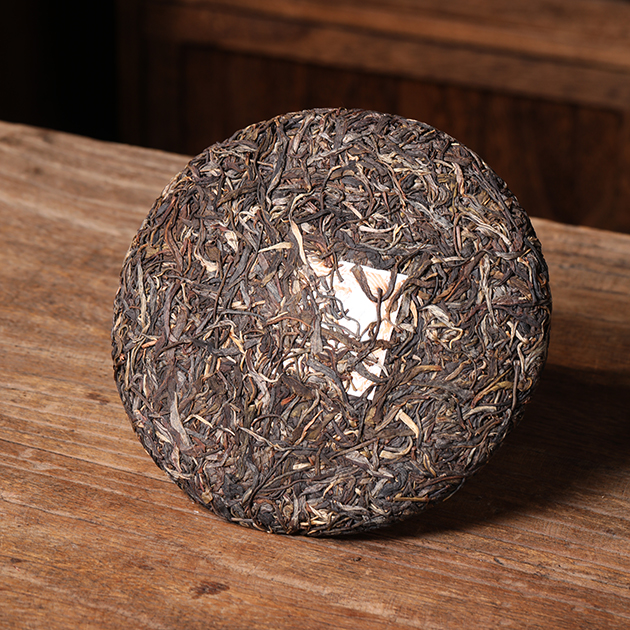
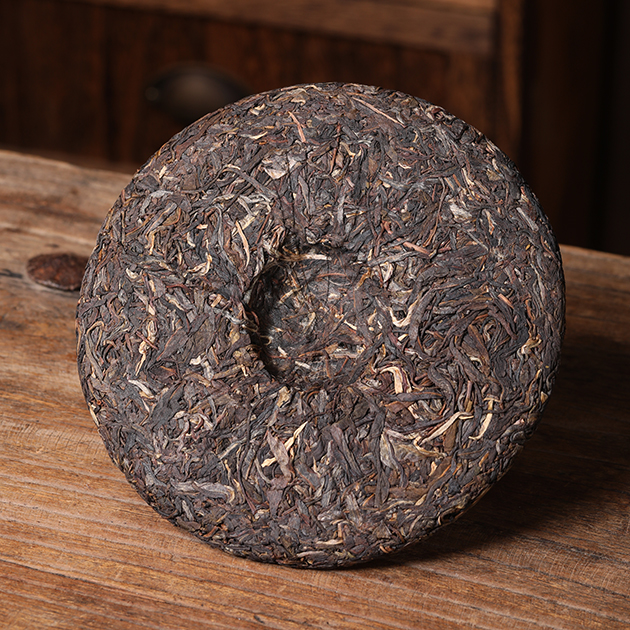
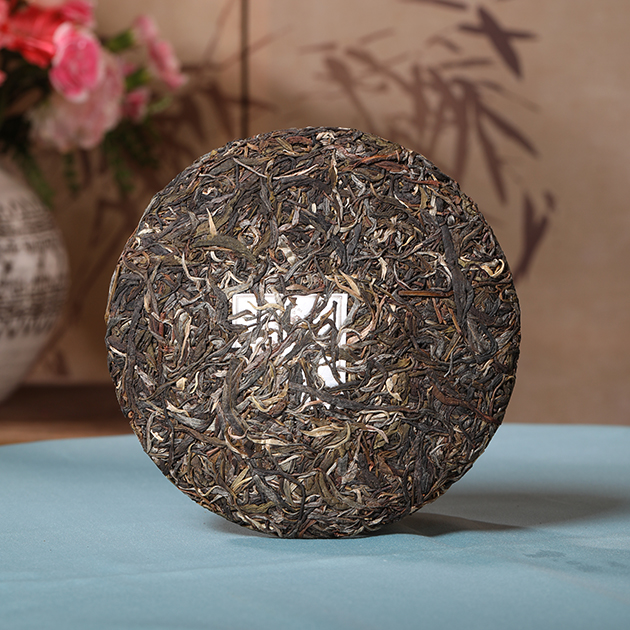
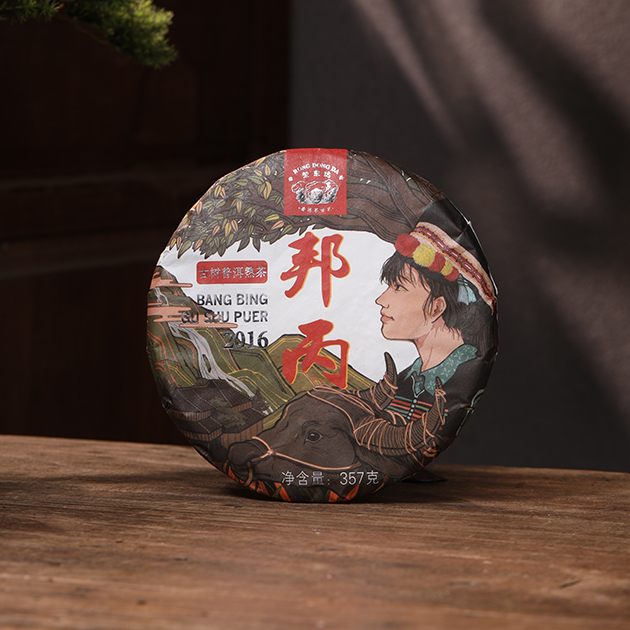
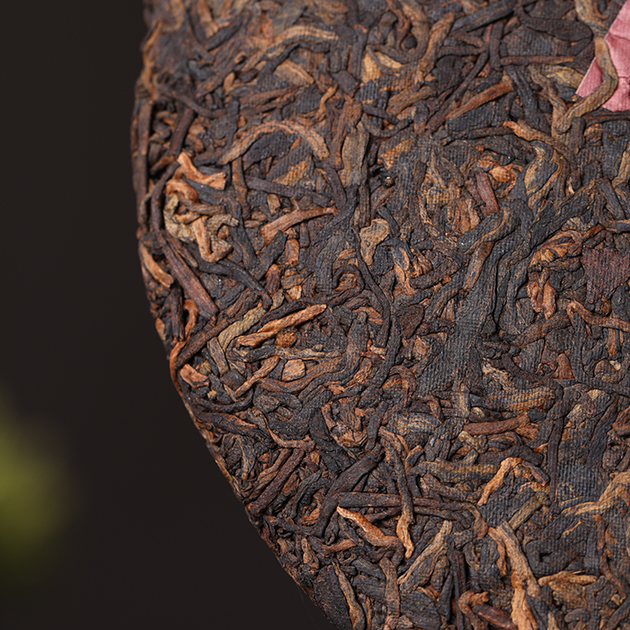
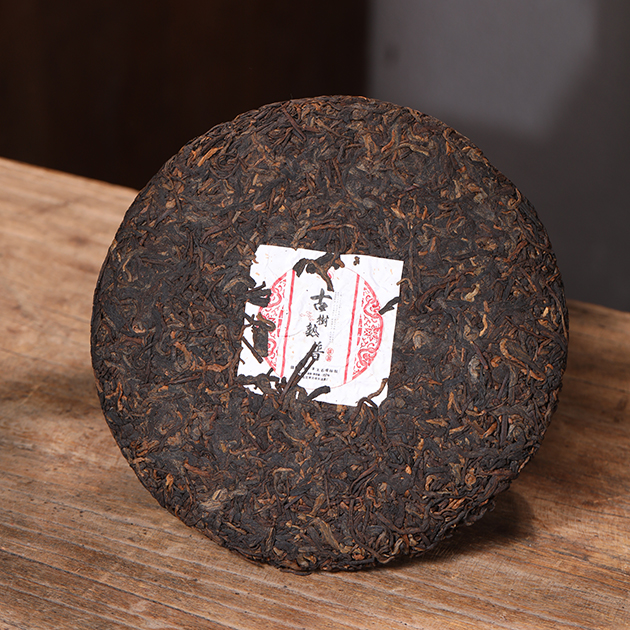
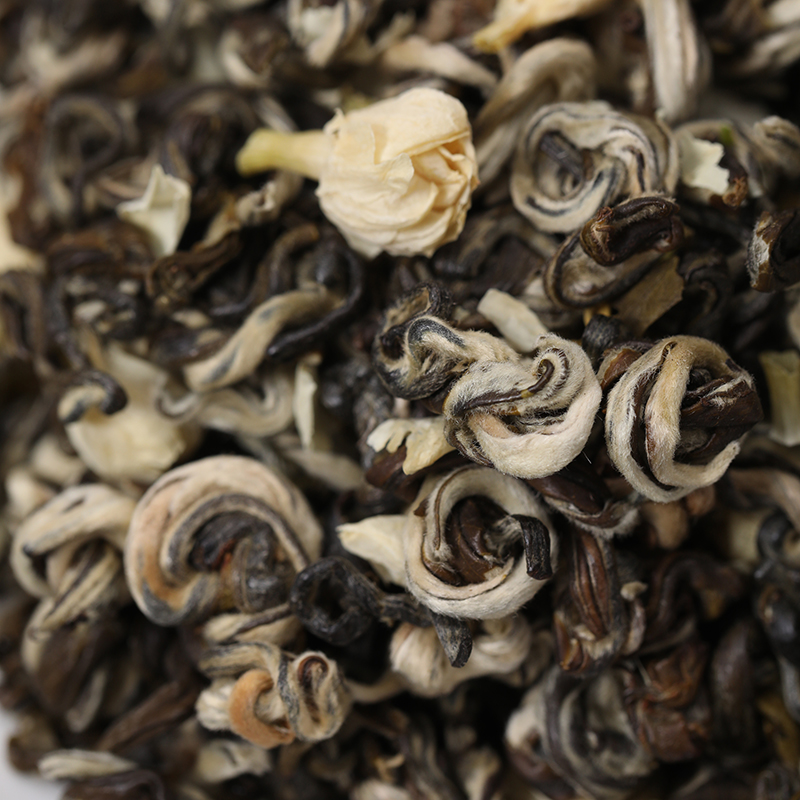
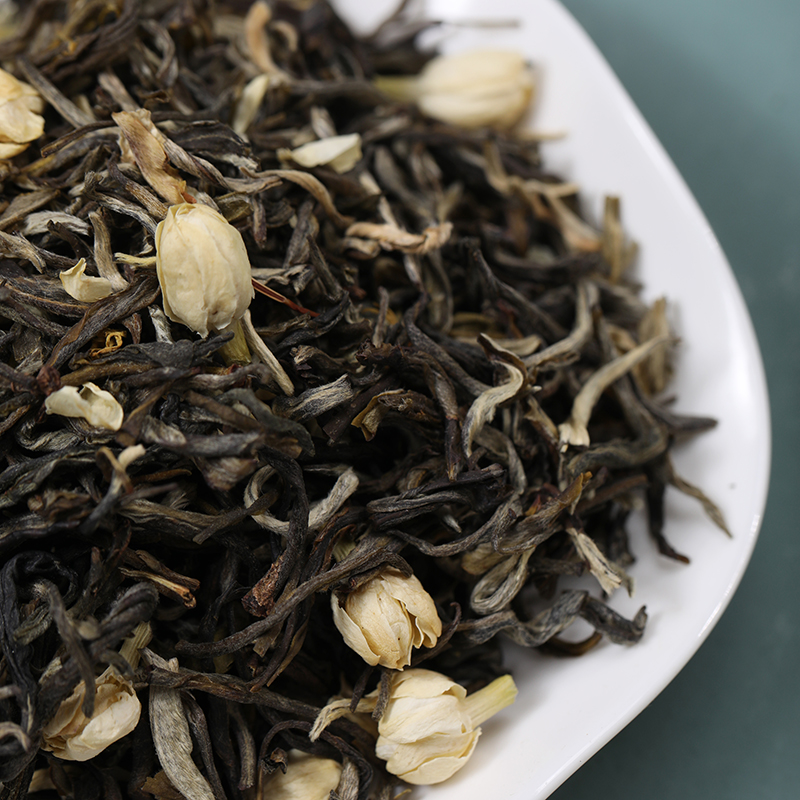
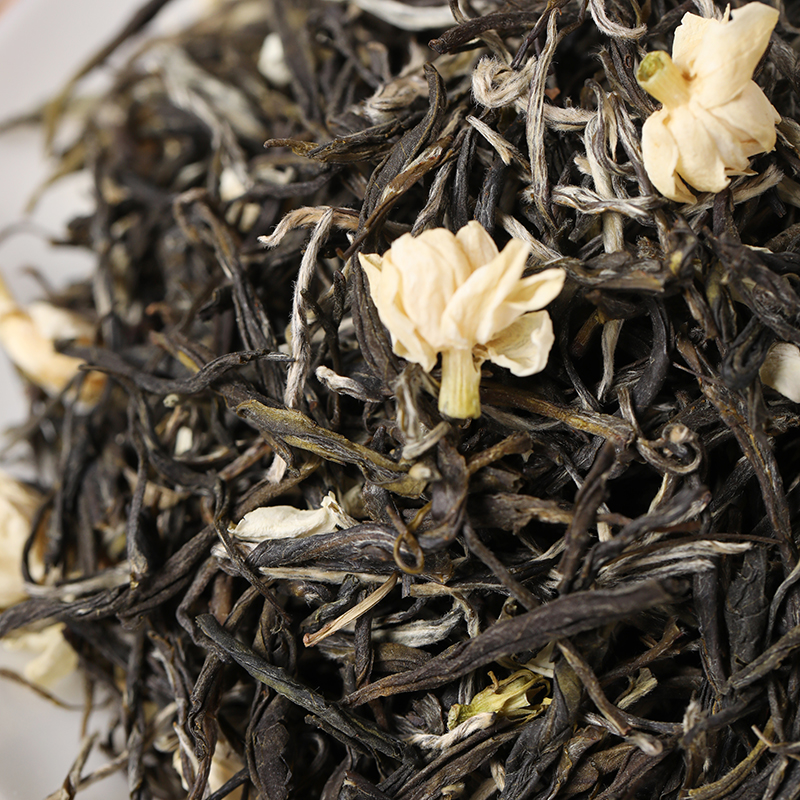
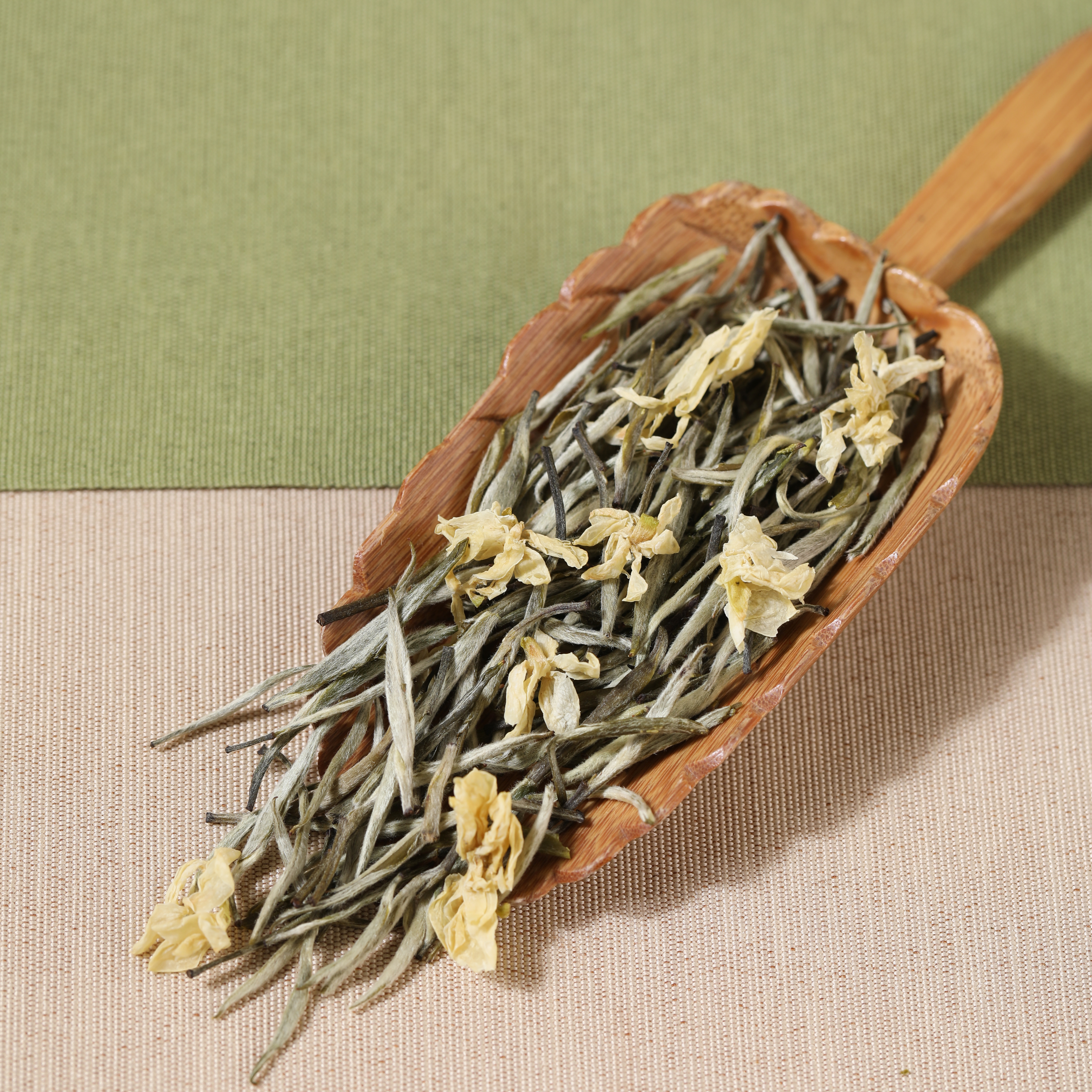
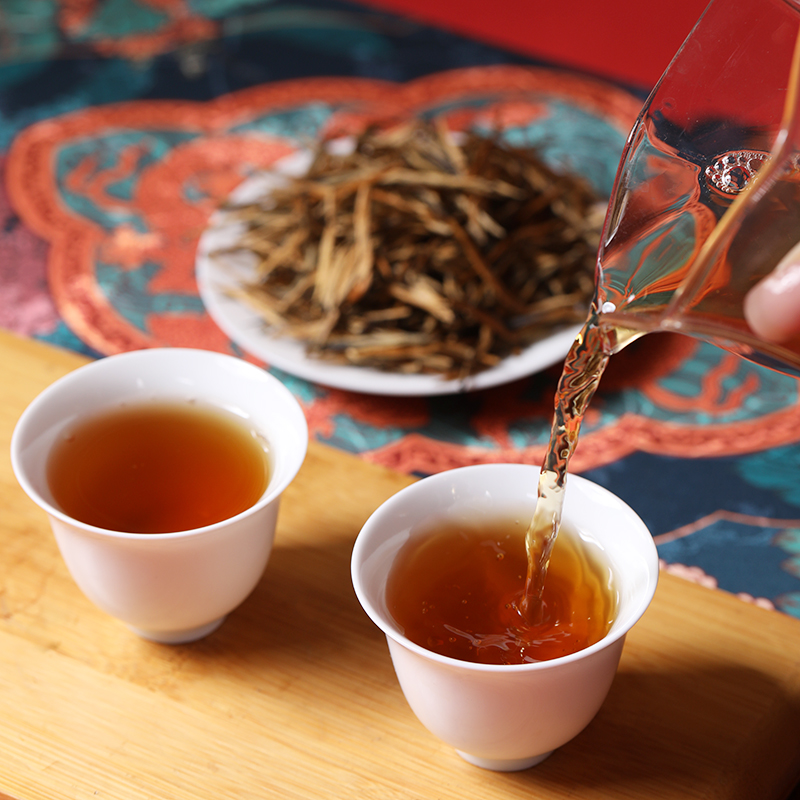
Jasmine Tea, also known as Jasmine Scented Tea, originates from regions such as Fuzhou in Fujian Province, Yibin and Qianwei in Leshan City of Sichuan Province, Heng County in Guangxi Zhuang Autonomous Region, and Yuanjiang in Yunnan Province, with a history of over 1,000 years. It is made by blending high-quality green tea with jasmine buds, which are double-petaled and still buds during the Dog Days of summer, through the processes of blending and scenting. The tea leaves used in Jasmine Tea are called tea blanks, with green tea being the most common, though some use black tea and oolong tea. Jasmine Tea has an elegant appearance with prominent white tips, a strong and lingering fragrance, a fresh and mellow taste when brewed, a bright yellow-green liquor color, tender and crystal-green tea leaves at the bottom, and is resistant to multiple infusions.
Jasmine Tea not only offers a mellow and refreshing taste but also possesses various health benefits, such as antibacterial and anti-inflammatory properties, refreshing and clearing heat, aiding digestion and diuresis, and beautifying and nourishing the skin. It is suitable for individuals suffering from constipation, skin ulcers, and obesity.